





Hey there! As a porcelain bowl supplier, I've always been fascinated by the rich history of these beautiful pieces, especially in European history. Porcelain bowls aren't just everyday items; they've played a significant role in shaping European culture, art, and even trade over the centuries.
Let's rewind to the early days when porcelain first made its way to Europe. Porcelain, originally from China, was like a precious gem in the eyes of Europeans. The first porcelain bowls arrived in Europe via the Silk Road, and they were an instant hit. The Europeans were blown away by the delicate craftsmanship, the smooth texture, and the beautiful translucency of these bowls. They were unlike anything that had been seen in Europe before.
In the 16th and 17th centuries, porcelain bowls were considered luxury items, reserved mainly for the wealthy and the aristocracy. Owning a porcelain bowl was a status symbol. It showed that you had the means to acquire something so rare and exotic. These bowls were often displayed in elaborate cabinets, almost like works of art, which they truly were. They were used for special occasions, like grand feasts and important social gatherings. Imagine sitting at a long, elegant table, with a beautiful Floral Porcelain Bowl in front of you, filled with delicious food. It added a touch of sophistication and glamour to the whole event.
The demand for porcelain bowls in Europe was so high that it led to the development of local porcelain production. European artisans tried to replicate the Chinese porcelain, and over time, they developed their own unique styles. For example, the Meissen porcelain in Germany became world - famous. The Meissen porcelain bowls were known for their intricate designs, often featuring hand - painted flowers, landscapes, and mythological scenes. These bowls not only served a practical purpose but also became important cultural artifacts. They were exported all over Europe, influencing the art and design of other regions.
During the 18th century, porcelain bowls also played a role in the tea and coffee culture that was booming in Europe. Tea, which had been introduced from Asia, was initially a luxury drink. Porcelain bowls, with their fine quality, were the perfect vessels to enjoy this precious beverage. The thin walls of the porcelain allowed the tea to cool quickly, and the beautiful designs added to the overall experience of sipping tea. Coffee, too, found its way into European homes, and porcelain bowls were used to serve this new and exciting drink. The ritual of having tea or coffee in a porcelain bowl became an important part of daily life for many Europeans, especially the middle - class who were starting to embrace these new cultural trends.
In the world of art, porcelain bowls were a source of inspiration. Painters and sculptors were influenced by the shapes and designs of these bowls. They often incorporated them into their works, either as still - life subjects or as symbols of luxury and refinement. For instance, many still - life paintings from the 17th and 18th centuries feature porcelain bowls filled with fruits, flowers, or other decorative items. These paintings not only captured the beauty of the bowls but also reflected the social and cultural values of the time.
Moving into the 19th and 20th centuries, porcelain bowls became more accessible to the general public. With the advancement of manufacturing techniques, the cost of production decreased, and more people could afford to buy these beautiful bowls. They were no longer just for special occasions but became part of everyday tableware. You could find Vintage Porcelain Bowl in kitchens across Europe, used for breakfast cereals, soups, and other simple meals.
Today, porcelain bowls still hold a special place in European history and culture. They are not only used for practical purposes but are also highly sought after by collectors. Vintage and antique porcelain bowls can fetch high prices at auctions. The unique designs and the historical significance make them valuable items. For example, a Vintage Floral Porcelain Bowl from a well - known European porcelain manufacturer can be a prized possession for any collector.
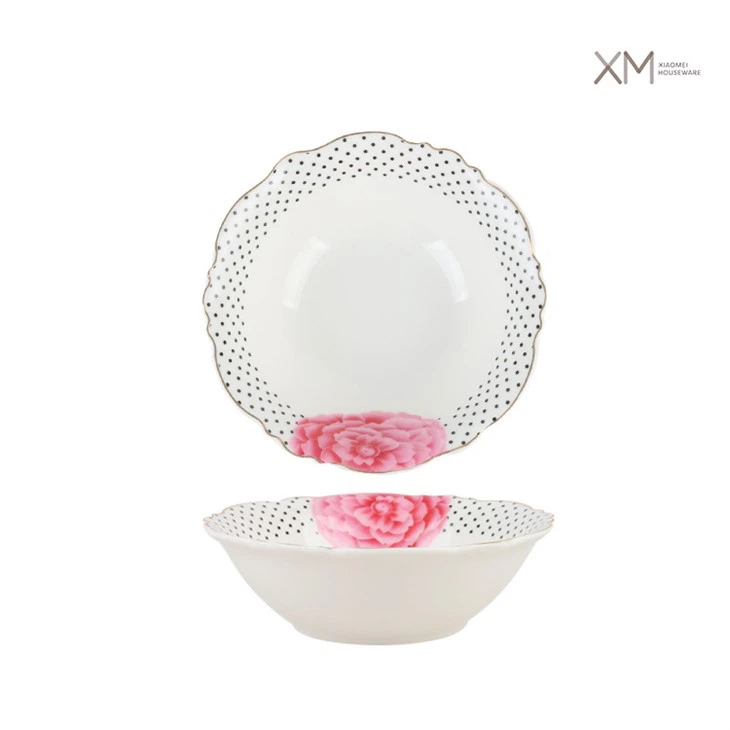

As a porcelain bowl supplier, I take pride in offering a wide range of porcelain bowls that pay homage to this rich European history. Whether you're looking for a modern, minimalist design or a traditional, hand - painted bowl, we've got you covered. Our bowls are made with the highest quality materials and the finest craftsmanship, just like the ones that have been cherished in Europe for centuries.
If you're interested in adding some beautiful porcelain bowls to your collection or upgrading your tableware, I'd love to talk to you. Whether you're a restaurant owner looking for elegant bowls to serve your customers or a collector searching for that perfect piece, we can help. Just reach out, and we can start a conversation about your specific needs.
In conclusion, porcelain bowls have had a long and diverse role in European history. From being symbols of luxury and status to becoming everyday items and cultural artifacts, they've been an integral part of European life. Their beauty, functionality, and historical significance continue to captivate people to this day.
References
- "A History of European Porcelain" by David A. Scott
- "Porcelain in European Art and Culture" by Maria Elena Hall
- "The Evolution of Tableware in Europe" by John Smith