


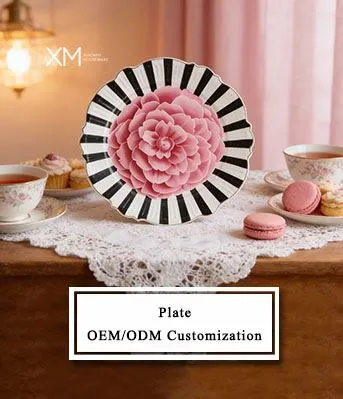




As a supplier of porcelain round soup plates, I've encountered numerous inquiries from customers regarding the prevention of plate cracking in the oven. This issue is not only frustrating for consumers but also impacts the reputation of our products. In this blog, I'll share some practical tips and scientific explanations to help you keep your porcelain round soup plates intact during oven use.
Understanding the Causes of Cracking
Before delving into prevention methods, it's essential to understand why porcelain round soup plates crack in the oven. The primary culprit is thermal shock, which occurs when there is a rapid and significant change in temperature. Porcelain, like most ceramics, is a poor conductor of heat. When exposed to sudden temperature variations, different parts of the plate expand or contract at different rates, creating internal stress. If this stress exceeds the plate's strength, it will crack.
Another factor is the quality of the porcelain itself. Lower - quality porcelain may have internal flaws or inconsistent density, making it more susceptible to cracking under thermal stress. Additionally, improper handling and storage can also contribute to the problem. For example, if a plate has a pre - existing crack or chip, it is more likely to break in the oven.
Choosing the Right Porcelain Round Soup Plate
The first step in preventing cracking is to select a high - quality porcelain round soup plate. Look for plates that are specifically labeled as oven - safe. These plates are usually made from a type of porcelain that has been formulated to withstand high temperatures and thermal shock.
When examining the plate, check for any visible flaws such as cracks, chips, or uneven surfaces. A well - made plate should have a smooth, uniform finish. You can also tap the plate gently; a clear, ringing sound indicates good quality, while a dull thud may suggest internal defects.
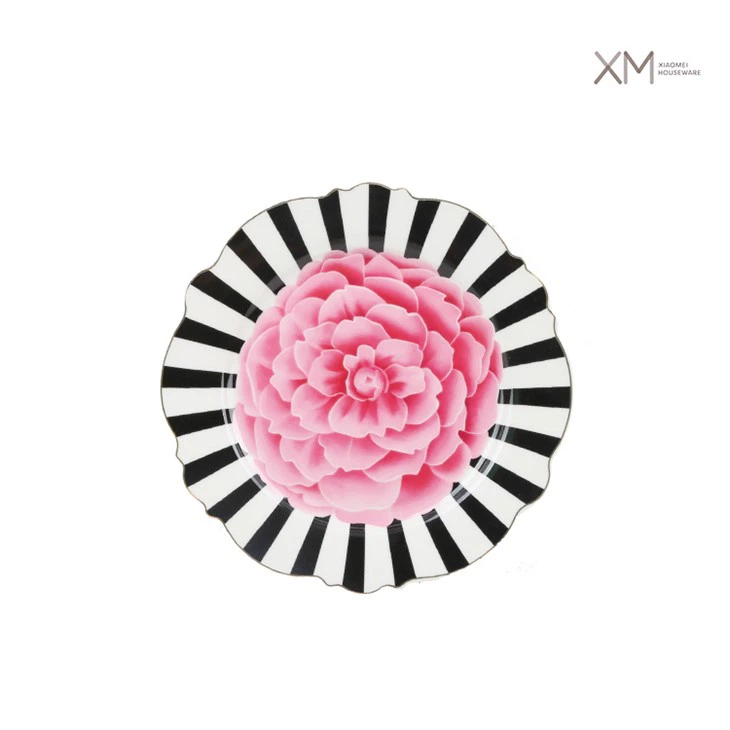

As a supplier, we offer a wide range of high - quality porcelain round soup plates. Our products are crafted using advanced manufacturing techniques and undergo strict quality control to ensure their durability in the oven. You can also explore our other porcelain plate offerings, such as Porcelain Dinner Plate, White Porcelain Plate, and Floral Porcelain Dessert Plate.
Preparing the Plate for the Oven
Proper preparation is crucial to prevent thermal shock. Never place a cold porcelain round soup plate directly into a hot oven. Instead, let the plate come to room temperature before using it. This can be done by taking the plate out of the refrigerator or freezer at least 30 minutes before you plan to use it in the oven.
If you need to pre - heat the plate, do it gradually. You can start by placing the plate in a cold oven and then turning on the oven to the desired temperature. This slow heating process allows the plate to expand evenly, reducing the risk of cracking.
Setting the Right Oven Temperature
It's important to use the correct oven temperature for your porcelain round soup plate. Different types of porcelain have different heat - resistance limits. Generally, most oven - safe porcelain plates can withstand temperatures up to 500°F (260°C). However, it's always best to check the manufacturer's instructions for the specific temperature range.
Avoid sudden temperature changes during the cooking process. For example, if you need to increase the temperature, do it gradually in small increments. Also, when removing the plate from the oven, use oven mitts and place it on a heat - resistant surface. Never place a hot plate on a cold or wet surface, as this can cause rapid cooling and lead to cracking.
Using the Plate Correctly in the Oven
When placing the porcelain round soup plate in the oven, make sure it is positioned properly. Avoid overcrowding the oven, as this can prevent proper air circulation and cause uneven heating. Place the plate on a flat, stable rack in the middle of the oven for the most even heat distribution.
If you are using the plate to cook or bake something, be careful not to let food spill over the edges. Spilled food can burn and stick to the plate, which may cause stress on the porcelain when it cools. You can use a baking sheet or a liner under the plate to catch any spills.
Post - Oven Care
After using the plate in the oven, allow it to cool down slowly. Do not run cold water over a hot plate or place it in the refrigerator immediately. Let the plate sit at room temperature until it has cooled completely.
Once the plate is cool, wash it gently with warm, soapy water. Avoid using abrasive cleaners or scrubbers, as these can scratch the surface of the porcelain and weaken it over time. Dry the plate thoroughly before storing it.
Storage Tips
Proper storage can also help prevent cracking. Stack the porcelain round soup plates carefully, using soft padding or felt separators between each plate to prevent scratching and chipping. Store the plates in a dry, cool place away from direct sunlight and extreme temperatures.
Conclusion
Preventing a porcelain round soup plate from cracking in the oven requires a combination of choosing the right plate, proper preparation, correct oven use, and good post - oven care. By following these tips, you can ensure that your porcelain plates last longer and remain in excellent condition.
As a supplier of porcelain round soup plates, we are committed to providing high - quality products and helpful advice to our customers. If you have any questions or are interested in purchasing our products, please feel free to contact us for procurement discussions. We look forward to serving you and meeting your porcelain plate needs.
References
- "Ceramics and Glass Science and Technology: Volume 1 - Structure and Properties." Edited by J. D. Mackenzie and D. R. Uhlmann. Wiley - Blackwell, 2010.
- "The Chemistry of Ceramics." By J. E. Shelby. Cambridge University Press, 2005.
- Manufacturer's guidelines for porcelain products.