





When it comes to porcelain bowls, one of the often-overlooked yet crucial aspects is the edge. The edge of a porcelain bowl not only affects its aesthetic appeal but also plays a significant role in its functionality. As a porcelain bowl supplier, I've had the privilege of exploring the diverse world of porcelain bowl edges, and I'm excited to share my insights with you.
Types of Porcelain Bowl Edges
1. Rounded Edges
Rounded edges are perhaps the most common type found in porcelain bowls. They offer a smooth and comfortable feel when in contact with the lips or hands. This type of edge is ideal for bowls used for soups, cereals, or any dish where a gentle touch is desired. The rounded shape also reduces the risk of chipping, making it a practical choice for everyday use. For example, our White Porcelain Bowl features a beautifully rounded edge that enhances the overall dining experience.
2. Beveled Edges
Beveled edges add a touch of elegance and sophistication to porcelain bowls. These edges are created by cutting or grinding the rim at an angle, resulting in a slanted surface. Beveled edges can make a bowl look more refined and are often used in high-end or decorative pieces. They also provide a unique visual appeal, catching the light and adding dimension to the bowl. Our Vintage Floral 11.5 Inch Salad Ceramic Bowl Underglaze Colour Blue And White Porcelain showcases a delicate beveled edge that complements its intricate floral design.
3. Scalloped Edges
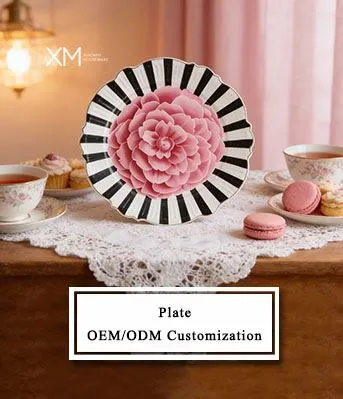
Scalloped edges are characterized by a series of small, rounded curves along the rim of the bowl. This type of edge adds a playful and decorative element to the bowl, making it a popular choice for serving desserts or salads. Scalloped edges can give a bowl a more feminine or romantic look, and they are often used in vintage or antique-inspired designs. Our Vintage Floral Porcelain Bowl features charming scalloped edges that enhance its vintage appeal.
4. Straight Edges
Straight edges offer a clean and modern look to porcelain bowls. They are simple yet stylish, making them suitable for a variety of settings, from casual to formal. Straight edges can give a bowl a more contemporary feel and are often used in minimalist or industrial-style designs. These edges are also easy to stack, which is a practical advantage for storage.
Factors Affecting the Edge Design
1. Function
The intended use of the porcelain bowl is a major factor in determining the edge design. For example, bowls used for soups or hot beverages may benefit from rounded edges for a comfortable sipping experience. On the other hand, bowls used for serving salads or appetizers may feature beveled or scalloped edges to add a decorative touch.
2. Aesthetic Preferences
Aesthetic preferences also play a significant role in edge design. Some people prefer the classic and elegant look of beveled edges, while others may opt for the more playful and decorative scalloped edges. The overall style of the bowl, whether it's traditional, modern, or vintage, will also influence the choice of edge design.
3. Manufacturing Process
The manufacturing process can also affect the edge design of porcelain bowls. Different techniques, such as molding, turning, or hand-finishing, can result in different edge profiles. For example, hand-finished edges may have a more unique and irregular look, while machine-made edges may be more precise and uniform.
Quality Considerations
1. Smoothness
A high-quality porcelain bowl should have a smooth edge. Rough or uneven edges can be uncomfortable to use and may also pose a risk of injury. When inspecting a bowl, run your finger along the edge to check for any roughness or sharpness.


2. Thickness
The thickness of the edge is also important. A too-thin edge may be more prone to chipping, while a too-thick edge may make the bowl feel heavy and cumbersome. A well-balanced edge thickness ensures both durability and a comfortable grip.
3. Consistency
Consistency in edge design is a sign of good quality. All bowls in a set should have the same edge profile and finish. Inconsistencies in edge design can indicate poor manufacturing standards.
The Impact of Edge Design on the Dining Experience
The edge design of a porcelain bowl can have a significant impact on the dining experience. A well-designed edge can enhance the presentation of the food, making it look more appealing. For example, a scalloped edge can add a touch of elegance to a dessert, while a beveled edge can make a soup look more sophisticated.
In addition, the edge design can also affect the way we interact with the bowl. A comfortable edge can make it easier to hold and use the bowl, while an uncomfortable edge can be a distraction. The right edge design can also enhance the flavor and enjoyment of the food. For example, a rounded edge can allow for a more natural sipping motion when drinking soup, which can enhance the taste.
Why Choose Our Porcelain Bowls
As a porcelain bowl supplier, we take pride in offering high-quality bowls with a variety of edge designs. Our bowls are crafted using traditional techniques and the finest materials, ensuring durability and beauty. We understand the importance of edge design in enhancing the dining experience, and we strive to provide bowls that meet the diverse needs and preferences of our customers.
Whether you're looking for a classic white porcelain bowl with a rounded edge for everyday use or a decorative vintage floral bowl with a scalloped edge for special occasions, we have a wide range of options to choose from. Our bowls are not only functional but also works of art that can add a touch of elegance to any table setting.
Contact Us for Procurement
If you're interested in purchasing our porcelain bowls for your restaurant, catering business, or personal use, we'd love to hear from you. We offer competitive prices, excellent customer service, and fast shipping. Whether you need a small quantity for a home kitchen or a large order for a commercial establishment, we can accommodate your needs. Please feel free to reach out to us to discuss your specific requirements and start the procurement process.
References
- "Porcelain: History, Production, and Types" - Encyclopedia Britannica
- "The Art of Porcelain Making" - Smithsonian Magazine
- "Diningware Design: Function and Aesthetics" - Journal of Interior Design