


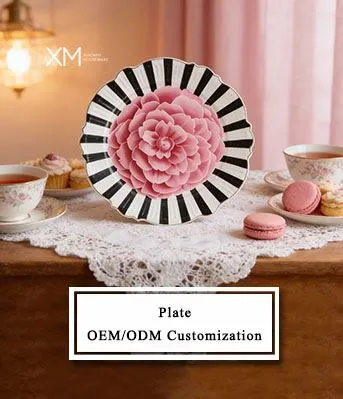




When it comes to porcelain plates, one common question that often arises is, "What is the weight of a typical porcelain plate?" As a seasoned porcelain plate supplier, I've encountered this query numerous times from both curious individuals and potential business partners. In this blog post, I'll delve into the factors that influence the weight of porcelain plates, provide some general weight ranges for different types of porcelain plates, and share some insights based on my years of experience in the industry.
Factors Affecting the Weight of Porcelain Plates
The weight of a porcelain plate is not a fixed value and can vary significantly depending on several key factors. Understanding these factors can help you better estimate the weight of the porcelain plates you're interested in.
1. Size
One of the most obvious factors is the size of the plate. Larger plates generally weigh more than smaller ones because they require more porcelain material to be produced. For example, a dinner plate, which is typically larger in diameter, will weigh more than a dessert plate. A standard dinner plate might have a diameter of around 10 - 12 inches, while a dessert plate could be around 6 - 8 inches. The increased surface area of the larger plate means more porcelain is used, resulting in a higher weight.
2. Thickness
The thickness of the porcelain also plays a crucial role in determining the weight. Thicker plates are heavier because they contain more porcelain material. Some porcelain plates are made to be thicker for added durability, especially if they are intended for commercial use in restaurants or hotels. On the other hand, thinner plates may be preferred for a more delicate or elegant look, and they will naturally weigh less.
3. Design and Decoration
Intricate designs and decorations on porcelain plates can add to their weight. For instance, plates with raised patterns, hand - painted details, or gold or silver accents may weigh more than plain, undecorated plates. The additional materials used in the decoration process contribute to the overall weight.
4. Porcelain Type
There are different types of porcelain, such as hard - paste porcelain and soft - paste porcelain. Hard - paste porcelain is generally denser and heavier than soft - paste porcelain. It is also more durable and resistant to chipping and cracking. The type of porcelain used in the production of the plate will have a direct impact on its weight.
Weight Ranges for Different Types of Porcelain Plates
Based on my experience as a porcelain plate supplier, here are some general weight ranges for different types of porcelain plates:
Blue Porcelain Soup Plate
A Blue Porcelain Soup Plate typically has a diameter of around 8 - 9 inches. These plates are designed to hold soup and other liquid - based dishes. The weight of a standard blue porcelain soup plate can range from 200 grams to 350 grams. This weight range takes into account the size of the plate, the thickness of the porcelain, and any decorative elements.
Porcelain Dinner Plate
Porcelain Dinner Plates are larger, usually with a diameter of 10 - 12 inches. They are used to serve main courses. Due to their larger size, they tend to be heavier. A typical porcelain dinner plate can weigh anywhere from 400 grams to 600 grams. If the plate has elaborate designs or is made of thicker porcelain, it could even weigh more.
Floral Porcelain Dessert Plate
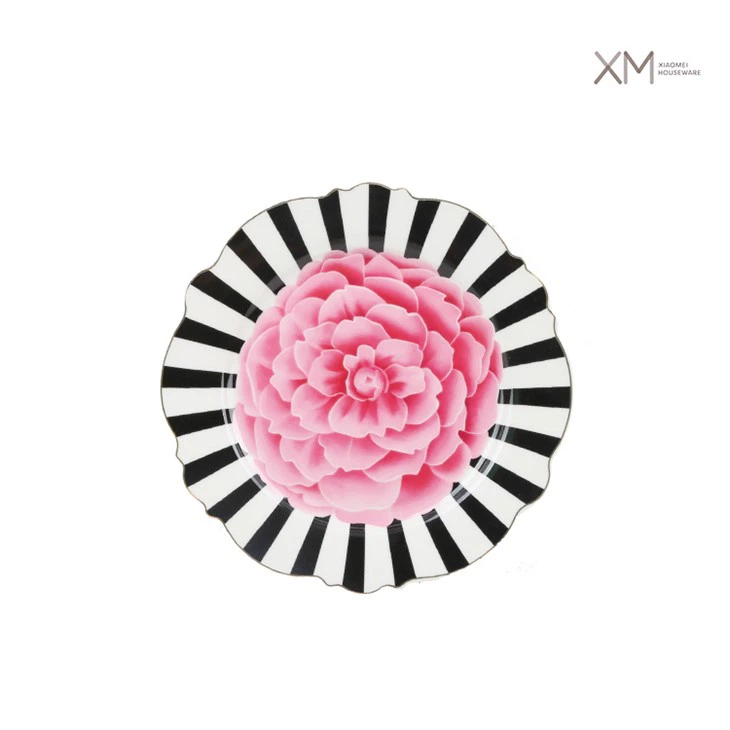
Floral Porcelain Dessert Plates are smaller, with a diameter of about 6 - 8 inches. They are used to serve desserts and are often more delicately designed. The weight of a floral porcelain dessert plate generally ranges from 100 grams to 200 grams. The lighter weight is due to the smaller size and the fact that they may be made with thinner porcelain for a more elegant appearance.
Why Does the Weight of Porcelain Plates Matter?
The weight of porcelain plates can have several implications, both for consumers and businesses:
For Consumers
- Handling and Comfort: Lighter plates are easier to handle, especially for children or the elderly. They are also more comfortable to hold while eating.
- Aesthetic Preference: Some consumers prefer the feel of a heavier, more substantial plate, as it can give the impression of quality and durability. Others may prefer lighter plates for a more delicate look.
For Businesses
- Shipping Costs: Heavier plates will incur higher shipping costs. This is an important consideration for businesses that need to transport large quantities of porcelain plates.
- Customer Perception: The weight of the plates can influence the customer's perception of the restaurant or establishment. Heavier plates may be associated with higher - end dining experiences, while lighter plates may be more suitable for casual dining.
How We Ensure Quality and Consistency in Plate Weight
As a porcelain plate supplier, we take several steps to ensure the quality and consistency of the plate weights:
Quality Control
We have a strict quality control process in place. Our production team carefully monitors the thickness and size of each plate during the manufacturing process. We use precision measuring tools to ensure that the plates meet our specified weight ranges.

Material Selection
We source high - quality porcelain materials from reliable suppliers. By using consistent materials, we can minimize variations in the weight of the plates. We also conduct regular tests on the porcelain to ensure its density and quality.
Training and Expertise
Our production staff is highly trained and experienced in working with porcelain. They understand the importance of maintaining consistent plate weights and are skilled at making adjustments to the manufacturing process as needed.
Contact Us for Your Porcelain Plate Needs
If you're in the market for high - quality porcelain plates, whether it's for personal use or for your business, we'd love to hear from you. We offer a wide range of porcelain plates in different sizes, designs, and weights to meet your specific requirements. Whether you're interested in Blue Porcelain Soup Plates, Porcelain Dinner Plates, or Floral Porcelain Dessert Plates, we can provide you with the perfect solution.
Contact us today to start a discussion about your porcelain plate needs. We're here to answer any questions you may have and to help you find the right plates for your situation.
References
- "Porcelain: History, Production, and Types" - A comprehensive guide on porcelain published by a leading ceramics research institute.
- Industry reports on porcelain plate manufacturing and market trends.
- Personal experience and knowledge gained over years of working as a porcelain plate supplier.