


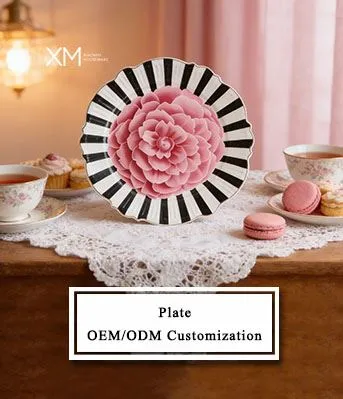




Hey there! I'm a supplier of White Porcelain Plates, and today I wanna chat about something that might seem a bit technical but is actually super important when it comes to these plates – the thermal expansion coefficient.
So, what exactly is the thermal expansion coefficient? In simple terms, it's a measure of how much a material expands or contracts when its temperature changes. Every material has its own unique thermal expansion coefficient, and for white porcelain plates, this coefficient plays a big role in their performance and durability.
White porcelain is a type of ceramic material that's been around for ages. It's known for its beautiful appearance, smooth surface, and excellent heat resistance. But even with all these great qualities, it still expands and contracts with temperature variations. The thermal expansion coefficient of white porcelain plates is relatively low compared to some other materials. This is a good thing because it means that the plates are less likely to crack or break when exposed to sudden temperature changes.
Let's say you've just taken a white porcelain plate out of the oven, where it's been heated to a high temperature. Then you put it on a cold countertop. If the plate had a high thermal expansion coefficient, it would contract rapidly as it cooled down, and this could cause stress cracks to form. But because white porcelain has a low coefficient, it expands and contracts more gradually, reducing the risk of damage.

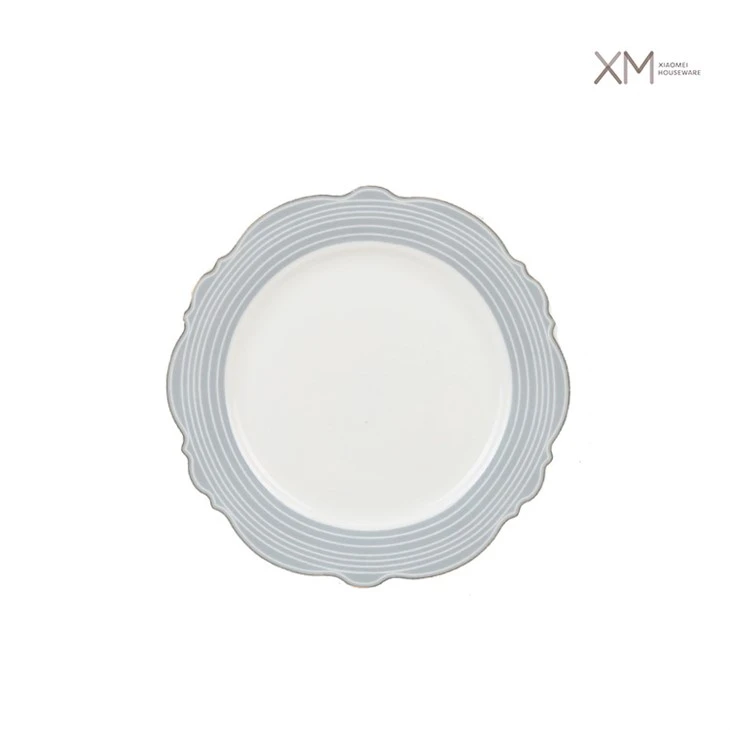
The thermal expansion coefficient of white porcelain plates can vary depending on a few factors. One of the main factors is the composition of the porcelain. Different manufacturers might use slightly different recipes to make their white porcelain, and these variations can affect the coefficient. For example, the amount of certain minerals like kaolin, feldspar, and quartz in the porcelain can influence how it responds to temperature changes.
Another factor is the manufacturing process. How the plates are fired, the temperature and duration of the firing, can also have an impact on the thermal expansion coefficient. A well - fired white porcelain plate will generally have a more stable coefficient and better overall performance.
Now, you might be wondering why this matters to you as a customer. Well, if you're using white porcelain plates in your kitchen, you probably want them to last a long time. Whether you're serving hot soups, desserts, or just using them for everyday meals, you don't want to worry about them cracking or breaking easily. A low thermal expansion coefficient gives you that peace of mind.
If you're in the market for white porcelain plates, we've got a great selection. Check out our Porcelain Dessert Plate Round and Porcelain Round Soup Plate. These plates are not only beautiful but also made with high - quality white porcelain that has a stable thermal expansion coefficient. And of course, our White Porcelain Plate collection offers a variety of styles and sizes to suit your needs.
When it comes to choosing the right white porcelain plates, it's not just about looks. You need to consider the practical aspects too, like the thermal expansion coefficient. Our plates are designed to withstand the rigors of daily use, whether it's in a home kitchen or a restaurant setting.
We take pride in the quality of our white porcelain plates. We work hard to ensure that each plate is made to the highest standards, with a focus on durability and performance. Our manufacturing process is carefully monitored to control the thermal expansion coefficient and other important properties of the porcelain.
If you're interested in purchasing our white porcelain plates, we'd love to hear from you. Whether you're a restaurant owner looking to upgrade your tableware or a home cook who wants to add some elegance to your kitchen, we can provide you with the perfect plates. Just reach out to us, and we can discuss your specific needs and requirements. We're always happy to help you find the right products and answer any questions you might have.
In conclusion, the thermal expansion coefficient of white porcelain plates is an important factor that affects their durability and performance. Our white porcelain plates are made with a low and stable coefficient, which means they're less likely to crack or break when exposed to temperature changes. So, if you're in the market for high - quality white porcelain plates, give us a chance. We're confident that you'll be satisfied with our products.
References
- Ceramic Materials Science and Engineering textbooks
- Industry reports on porcelain manufacturing and properties