


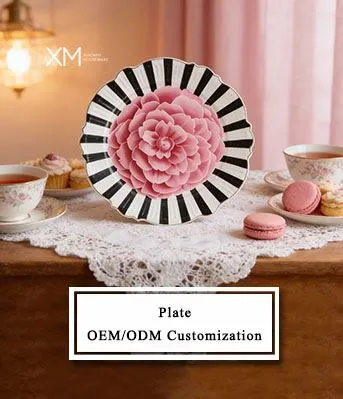




White porcelain bowls have long been cherished for their elegance, simplicity, and versatility. As a supplier of these exquisite pieces, I have had the privilege of observing and appreciating the diverse patterns that adorn them. In this blog post, I will explore some of the most commonly seen patterns on white porcelain bowls, shedding light on their historical significance, cultural symbolism, and aesthetic appeal.
Floral Patterns
Floral patterns are perhaps the most ubiquitous and beloved designs on white porcelain bowls. They bring a touch of nature's beauty and tranquility to the table, creating a warm and inviting atmosphere. One of the most iconic floral patterns is the peony, which symbolizes wealth, honor, and prosperity in Chinese culture. Peonies are often depicted in full bloom, with their large, delicate petals and vibrant colors, adding a sense of opulence and grandeur to the bowl.
Another popular floral pattern is the plum blossom, which represents resilience, purity, and hope. Plum blossoms are typically depicted in winter, when they bloom against the backdrop of snow, symbolizing the ability to overcome adversity. The simplicity and elegance of the plum blossom pattern make it a favorite among collectors and enthusiasts alike.
Vintage floral patterns are also highly sought after, as they often feature intricate details and delicate brushwork. Vintage Floral 11.5 Inch Salad Ceramic Bowl Underglaze Colour Blue And White Porcelain is a perfect example of a vintage floral pattern, with its beautiful blue and white design and underglaze coloring. This pattern adds a touch of old-world charm and sophistication to any table setting.
Geometric Patterns
Geometric patterns are another common sight on white porcelain bowls. They offer a sense of order and symmetry, creating a visually appealing and balanced design. One of the most classic geometric patterns is the checkerboard, which consists of alternating squares of different colors or shades. The checkerboard pattern is simple yet elegant, and it can be used to create a variety of different looks, from modern and minimalist to traditional and ornate.
Another popular geometric pattern is the lattice, which features a network of intersecting lines or bars. The lattice pattern can be used to create a sense of depth and dimension, adding visual interest to the bowl. It is often used in combination with other patterns, such as floral or animal motifs, to create a more complex and intricate design.
The herringbone pattern is also a favorite among designers and collectors. It consists of a series of parallel lines that are arranged in a zigzag pattern, creating a dynamic and eye-catching effect. The herringbone pattern is often used in flooring and textiles, but it can also be found on white porcelain bowls, adding a touch of modernity and style.
Animal Patterns
Animal patterns are a popular choice for white porcelain bowls, as they add a sense of playfulness and whimsy to the design. One of the most iconic animal patterns is the dragon, which is a symbol of power, strength, and good luck in Chinese culture. Dragons are often depicted in a fierce and menacing pose, with their long, sinuous bodies and sharp claws. The dragon pattern is often used on large, decorative bowls, adding a sense of grandeur and drama to the table.
Another popular animal pattern is the phoenix, which represents beauty, grace, and rebirth. Phoenixes are often depicted in flight, with their colorful feathers and long tails trailing behind them. The phoenix pattern is often used on smaller, more delicate bowls, adding a touch of elegance and sophistication to the design.
Fish patterns are also common on white porcelain bowls, as they symbolize abundance, prosperity, and good fortune. Fish are often depicted swimming in schools, with their colorful scales and fins glistening in the light. The fish pattern is often used on bowls that are used for serving food, as it is believed to bring good luck and blessings to the meal.
Landscape Patterns
Landscape patterns are a popular choice for white porcelain bowls, as they offer a sense of tranquility and serenity. One of the most classic landscape patterns is the mountain and water scene, which depicts a range of mountains and a river or lake in the foreground. The mountain and water scene is often used to create a sense of peace and harmony, adding a touch of nature's beauty to the table.
Another popular landscape pattern is the bamboo forest, which represents strength, resilience, and flexibility. Bamboo forests are often depicted in a peaceful and serene setting, with the bamboo stalks swaying gently in the breeze. The bamboo forest pattern is often used on bowls that are used for serving tea, as it is believed to enhance the tea-drinking experience.
The cloud pattern is also a favorite among designers and collectors. It consists of a series of fluffy, white clouds that are arranged in a random pattern, creating a sense of movement and fluidity. The cloud pattern is often used in combination with other patterns, such as floral or animal motifs, to create a more complex and intricate design.
Cultural and Historical Significance
The patterns commonly seen on white porcelain bowls are not only aesthetically pleasing but also have deep cultural and historical significance. In many cultures, porcelain bowls were used for special occasions and ceremonies, and the patterns on the bowls were often chosen to reflect the occasion or the message that the host wanted to convey.
For example, in Chinese culture, porcelain bowls were often used for weddings and other important celebrations. The patterns on the bowls were chosen to symbolize good luck, prosperity, and happiness. The dragon and phoenix patterns, for example, were often used on wedding bowls, as they represent the union of two people and the beginning of a new life together.
In Japanese culture, porcelain bowls were used for tea ceremonies, which are a traditional form of hospitality and social interaction. The patterns on the bowls were chosen to reflect the principles of simplicity, harmony, and respect. The bamboo forest pattern, for example, was often used on tea bowls, as it represents the natural beauty and tranquility of the tea ceremony.


In European culture, porcelain bowls were often used for dining and entertaining. The patterns on the bowls were chosen to reflect the style and taste of the host, as well as the occasion. The floral and geometric patterns, for example, were often used on dinner bowls, as they are elegant and sophisticated, while the animal and landscape patterns were often used on decorative bowls, as they add a touch of playfulness and whimsy to the design.
Conclusion
In conclusion, the patterns commonly seen on white porcelain bowls are diverse and beautiful, each with its own unique cultural and historical significance. As a supplier of white porcelain bowls, I am constantly amazed by the creativity and craftsmanship that goes into creating these exquisite pieces. Whether you are a collector, a designer, or simply someone who appreciates the beauty of porcelain, I hope that this blog post has given you a greater appreciation for the patterns that adorn these timeless treasures.
If you are interested in purchasing white porcelain bowls, I invite you to visit our website at White Porcelain Bowl to browse our selection of high-quality products. We offer a wide range of patterns and styles to choose from, so you are sure to find the perfect bowl for your needs. If you have any questions or would like to discuss your specific requirements, please do not hesitate to contact us. We look forward to hearing from you and helping you find the perfect white porcelain bowl for your collection.
References
- "Chinese Porcelain: A Comprehensive Guide." By John Ayers.
- "Japanese Ceramics: Tradition and Innovation." By Seizo Sasaki.
- "European Porcelain: From the Renaissance to the Present." By Christopher Dresser.