





Researching the origin of a vintage porcelain mug can be a fascinating journey that combines history, art, and detective work. As a supplier of Vintage Porcelain Mug, I've had the privilege of delving into the stories behind these beautiful pieces. In this blog post, I'll share some tips and strategies on how to research the origin of a vintage porcelain mug.
Examine the Physical Characteristics
The first step in researching the origin of a vintage porcelain mug is to closely examine its physical characteristics. Look for details such as the shape, size, color, and decoration of the mug. These features can provide valuable clues about the time period, region, and manufacturer of the mug.
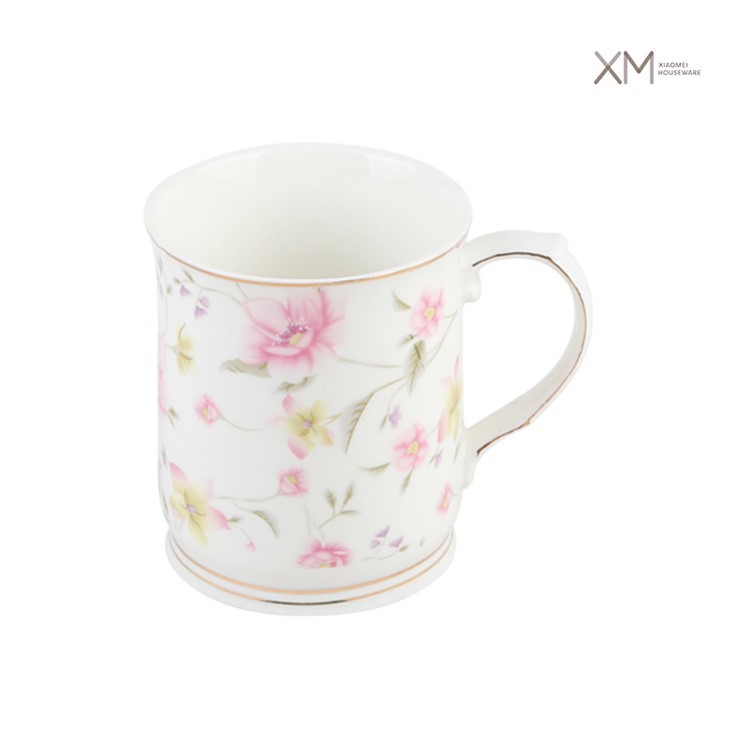

- Shape and Size: The shape and size of a porcelain mug can vary depending on the time period and region in which it was made. For example, mugs from the 18th century tend to be smaller and more delicate, while mugs from the 19th century are often larger and more robust. Pay attention to the handle, spout, and base of the mug, as these features can also provide clues about its origin.
- Color and Decoration: The color and decoration of a porcelain mug can also reveal a lot about its origin. Look for patterns, motifs, and designs that are characteristic of a particular time period or region. For example, Chinese porcelain mugs often feature intricate floral patterns, while European porcelain mugs may have more geometric designs. Pay attention to the quality of the painting and the use of colors, as these can also indicate the skill and craftsmanship of the manufacturer.
- Markings and Signatures: Many vintage porcelain mugs are marked with the manufacturer's logo, name, or signature. These markings can provide valuable information about the origin and age of the mug. Look for markings on the bottom of the mug, as well as on the side or handle. Some markings may be difficult to read, so you may need to use a magnifying glass or a microscope to examine them closely.
Research the Manufacturer
Once you have examined the physical characteristics of the vintage porcelain mug, the next step is to research the manufacturer. There are several resources available that can help you identify the manufacturer of a porcelain mug, including books, websites, and museum collections.
- Books and Catalogs: There are many books and catalogs available that provide information about the history and production of porcelain mugs. Look for books that focus on a particular time period or region, as these can provide more detailed information about the manufacturers and their products. Some books may also include illustrations and photographs of porcelain mugs, which can help you identify the manufacturer of your mug.
- Websites and Online Databases: There are also many websites and online databases available that provide information about the history and production of porcelain mugs. Some websites may focus on a particular manufacturer or region, while others may provide a more comprehensive overview of the porcelain industry. Look for websites that are reputable and reliable, and that provide accurate and up-to-date information.
- Museum Collections: Many museums around the world have extensive collections of porcelain mugs, which can provide valuable information about the history and production of these objects. Visit museums that specialize in porcelain or decorative arts, and ask the curators or staff for assistance in identifying the manufacturer of your mug. Some museums may also have online collections that you can search, which can be a convenient way to access information about porcelain mugs.
Consult with Experts
If you are still having trouble identifying the origin of a vintage porcelain mug, you may want to consult with an expert. There are many experts in the field of porcelain and decorative arts who can provide valuable advice and assistance in researching the origin of a porcelain mug.
- Antique Dealers and Appraisers: Antique dealers and appraisers are often knowledgeable about the history and production of porcelain mugs. They may be able to identify the manufacturer of your mug and provide you with an estimate of its value. Look for antique dealers and appraisers who specialize in porcelain or decorative arts, and who have a good reputation in the industry.
- Porcelain Collectors and Enthusiasts: Porcelain collectors and enthusiasts are often passionate about the history and production of porcelain mugs. They may be able to share their knowledge and expertise with you, and may even be able to help you identify the manufacturer of your mug. Look for porcelain collectors and enthusiasts who are active in online forums or social media groups, and who are willing to share their knowledge and experience.
- Museum Curators and Staff: Museum curators and staff are often experts in the field of porcelain and decorative arts. They may be able to provide you with information about the history and production of porcelain mugs, and may even be able to help you identify the manufacturer of your mug. Look for museums that specialize in porcelain or decorative arts, and ask the curators or staff for assistance in researching the origin of your mug.
Consider the Historical Context
In addition to examining the physical characteristics of the vintage porcelain mug and researching the manufacturer, it is also important to consider the historical context in which the mug was made. The history and culture of a particular time period or region can have a significant impact on the design and production of porcelain mugs.
- Social and Cultural Factors: The social and cultural factors of a particular time period or region can influence the design and production of porcelain mugs. For example, during the Victorian era, there was a growing interest in collecting and displaying decorative objects, which led to an increase in the production of porcelain mugs. Look for patterns and motifs that are characteristic of a particular time period or region, and consider how these may have been influenced by social and cultural factors.
- Economic and Political Factors: The economic and political factors of a particular time period or region can also have an impact on the design and production of porcelain mugs. For example, during times of war or economic hardship, the production of porcelain mugs may have been limited or disrupted. Look for evidence of economic or political factors in the design and production of the mug, such as changes in the quality of the materials or the use of colors.
- Technological Advancements: The technological advancements of a particular time period or region can also influence the design and production of porcelain mugs. For example, the invention of the steam engine in the 18th century led to an increase in the production of porcelain mugs, as it made it possible to transport materials and products more efficiently. Look for evidence of technological advancements in the design and production of the mug, such as changes in the shape or size of the mug, or the use of new materials or techniques.
Conclusion
Researching the origin of a vintage porcelain mug can be a challenging but rewarding experience. By examining the physical characteristics of the mug, researching the manufacturer, consulting with experts, and considering the historical context, you can gain a better understanding of the history and culture of the time period in which the mug was made. As a supplier of Vintage Porcelain Mug, I am passionate about sharing my knowledge and expertise with others. If you are interested in learning more about vintage porcelain mugs, or if you have any questions or comments, please feel free to contact me. I would be happy to assist you in any way that I can.
If you are interested in purchasing a vintage porcelain mug, I invite you to browse our collection of Floral Porcelain Mug. We offer a wide variety of high-quality vintage porcelain mugs, each with its own unique history and story. Whether you are a collector, an enthusiast, or simply looking for a beautiful and unique gift, we are sure to have a vintage porcelain mug that will meet your needs.
References
- "Porcelain: A History" by G. W. R. Ward
- "The Complete Guide to Collecting Porcelain" by John Sandon
- "Antique Porcelain Marks and Collectors' Guide" by A. L. Sampson