


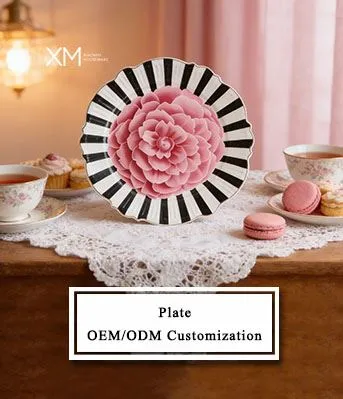




Hey there! As a supplier of porcelain round soup plates, I've had my fair share of customers asking how to tell if a plate is made of high - grade porcelain. It's a valid question, considering there's a wide range of porcelain products out there, from the super cheap ones to the high - end stuff. So, I thought I'd share some tips on how you can determine if a porcelain round soup plate is of high quality.
1. Look at the Material Composition
First things first, high - grade porcelain is usually made from kaolin clay. Kaolin is a special type of clay that's super pure and fine. When you hold a high - grade porcelain plate, it should feel smooth and have a nice, even texture. If you look closely at the edges of the plate, there shouldn't be any visible impurities or rough spots.
Lower - grade porcelain might be made from a mix of clays that aren't as pure. This can result in a plate that looks a bit duller and might have a slightly grainy feel. So, take a good look and feel of the plate. If it feels rough or has an uneven surface, it might not be high - grade.
2. Check the Color and Translucency
High - quality porcelain has a bright, white color. It should look clean and pure, almost like it's glowing from within. If the plate has a yellowish or grayish tint, it could be a sign of lower - grade porcelain.
Another thing to look for is translucency. Hold the plate up to the light. High - grade porcelain is semi - translucent, which means you should be able to see a faint glow through it. You don't have to see detailed shapes, but there should be some light coming through. If the plate is completely opaque, it might not be the best quality.
For example, our Blue Porcelain Soup Plate is made of high - grade porcelain. The white base is bright and clean, and when you hold it up to the light, you can see a lovely glow.
3. Examine the Craftsmanship
The way a plate is made can tell you a lot about its quality. High - grade porcelain plates are usually well - crafted. Look at the edges of the plate. They should be smooth and evenly finished. There shouldn't be any chips, cracks, or rough edges.
The design on the plate is also important. If it's a painted design, the colors should be vibrant and well - defined. The lines should be straight and clean. If the paint looks smudged or the colors are faded, it's a sign of poor craftsmanship.
Our White Porcelain Plate is a great example of excellent craftsmanship. The edges are perfectly smooth, and any designs on it are painted with precision.
4. Test the Sound
Here's a fun way to test the quality of porcelain. Gently tap the plate with a utensil, like a spoon. High - grade porcelain will produce a clear, ringing sound. It should sound almost musical. If the sound is dull or thuddy, it could mean the plate is made of lower - quality porcelain.
This is because high - grade porcelain is more dense and uniform in structure, which allows the sound waves to travel through it more efficiently, creating that nice, clear ring.
5. Consider the Weight
High - grade porcelain plates are usually a bit heavier than lower - grade ones. This is because the high - quality clay used in them is more dense. However, it's not so heavy that it's cumbersome to handle.
If a plate feels too light, it might be made of a thinner or less dense material, which could indicate lower quality. But don't just rely on weight alone. Combine this with the other factors we've discussed.
6. Look at the Durability
High - grade porcelain is more durable. It can withstand normal wear and tear, like being washed in the dishwasher or being stacked with other plates. It's less likely to chip or crack compared to lower - grade porcelain.
You can ask the supplier about the durability of the plate. At our place, we test our plates to make sure they can handle everyday use. For instance, our Floral Porcelain Dessert Plate is designed to be durable while still looking beautiful.
7. Check the Price
While price isn't always a perfect indicator of quality, high - grade porcelain plates usually cost more. This is because of the better materials, more skilled craftsmanship, and higher production costs.
If you find a porcelain round soup plate at an extremely low price, it's probably not high - grade. Of course, there are deals out there, but if it seems too good to be true, it probably is.
Making the Right Choice
When you're in the market for a porcelain round soup plate, keep these tips in mind. Don't just go for the first plate you see. Take your time to examine it. Look at the material, craftsmanship, color, and all the other factors we've talked about.
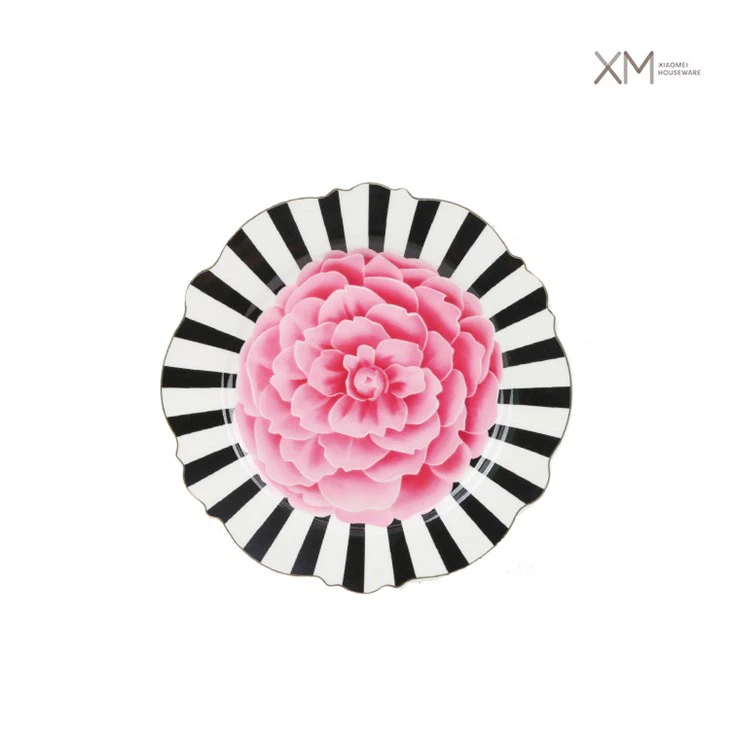

If you're still not sure, don't hesitate to ask the supplier questions. As a supplier, I'm always happy to help customers make the right choice. We want you to be satisfied with your purchase.
If you're interested in our porcelain round soup plates or any of our other products, we'd love to have a chat with you. Whether you're a restaurant owner looking to stock up on high - quality plates or an individual who wants a beautiful set for home use, we can work with you. Just reach out, and we can start the conversation about your needs and how we can meet them. Let's make your dining experience even better with our high - grade porcelain plates!
References
- "Porcelain: History, Production, and Types" - A general guide on porcelain production and characteristics.
- "Evaluating the Quality of Ceramic Tableware" - A research paper on methods to assess the quality of ceramic products including porcelain plates.