





Can I use a vintage porcelain mug for baking? This is a question that many baking enthusiasts and collectors of vintage items often ask. As a supplier of Vintage Porcelain Mugs, I'm here to provide you with in - depth insights into this topic.
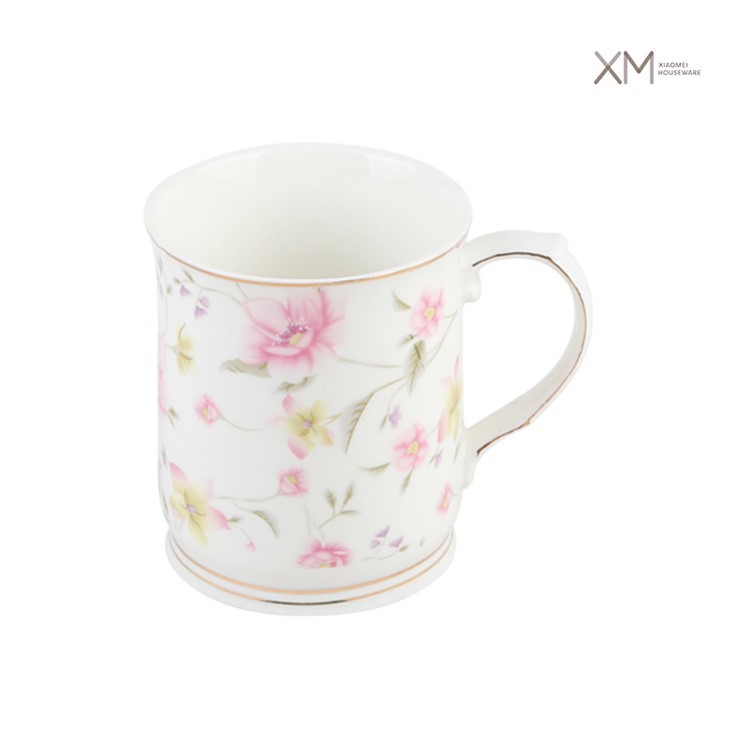
First, let's understand what vintage porcelain mugs are. Vintage porcelain mugs are those that have a certain age, usually ranging from a few decades old. They often carry unique designs, patterns, and a touch of nostalgia. You can explore our wide range of Vintage Porcelain Mug collection to see the beautiful pieces we offer.

The Basics of Porcelain
Porcelain is a ceramic material made from a special type of clay, kaolin, which is fired at high temperatures. This high - temperature firing gives porcelain its characteristic hardness, whiteness, and translucency. Porcelain has been used for centuries in various applications, from tableware to decorative items.
The key to determining whether a vintage porcelain mug can be used for baking lies in its composition and manufacturing process. Modern baking dishes are designed to withstand high temperatures without cracking or breaking. Vintage porcelain mugs, on the other hand, were not necessarily made with baking in mind.
Factors to Consider
1. Heat Resistance
The first and most crucial factor is heat resistance. Vintage porcelain mugs were made in different eras, and the manufacturing techniques and materials used varied. Some older porcelain mugs may not be able to handle the high temperatures of an oven. When a porcelain mug is exposed to rapid temperature changes, such as going from a cold countertop to a hot oven, it can experience thermal shock. Thermal shock occurs when different parts of the mug expand or contract at different rates, leading to cracks or even breakage.
To test the heat resistance of a vintage porcelain mug, you can look for any signs of previous heat exposure. If the mug has been used in a microwave or near a heat source without any issues, it may have a higher chance of being suitable for baking. However, this is not a foolproof method.
2. Glaze
The glaze on a vintage porcelain mug is another important consideration. The glaze is a thin layer of glass - like material that is applied to the surface of the porcelain. Some older glazes may contain lead or other heavy metals. When heated in an oven, these metals can leach into the food, posing a health risk.
You can have the mug tested for lead content by a professional laboratory. If the mug has a modern, lead - free glaze, it is a better candidate for baking. Additionally, a smooth and intact glaze is less likely to crack under heat. Cracks in the glaze can allow moisture and food particles to seep into the porcelain, which can also lead to problems during baking.
3. Structural Integrity
Inspect the mug for any visible cracks, chips, or flaws. Even a small crack can become a weak point when the mug is heated. A cracked mug is more likely to break in the oven, which can be dangerous and also ruin your baked goods.
The thickness of the mug also matters. A thicker porcelain mug may be more durable and better able to withstand heat, but it may also take longer to heat up and cool down.
Types of Baking
Not all types of baking are the same, and some are more suitable for vintage porcelain mugs than others.
1. Low - Temperature Baking
If you're planning to do low - temperature baking, such as making custards or slow - baking cheesecakes at around 300°F (149°C) or lower, the risk of thermal shock is reduced. These lower temperatures are less likely to cause the mug to crack.
For example, a Floral Porcelain Mug with good heat resistance could be used to make individual custards. The floral design adds a touch of charm to your dessert presentation.
2. High - Temperature Baking
High - temperature baking, such as baking bread or roasting vegetables at temperatures above 400°F (204°C), is much more challenging for vintage porcelain mugs. The rapid increase in temperature can cause severe thermal shock, and the mug is more likely to break.
Precautions
If you decide to use a vintage porcelain mug for baking, here are some precautions you can take:
- Preheat the Oven Slowly: This helps to reduce the risk of thermal shock. Instead of setting the oven to the desired temperature right away, start at a lower temperature and gradually increase it.
- Use a Water Bath: A water bath, also known as a bain - marie, can help to regulate the temperature around the mug. Place the mug in a larger baking dish filled with water, and then put the dish in the oven. This helps to prevent the mug from getting too hot too quickly.
- Monitor the Baking Process: Keep a close eye on the mug while it's in the oven. If you notice any signs of cracking or damage, remove the mug immediately.
Our Vintage Porcelain Mugs
As a supplier of Vintage Porcelain Mug, we take great care in selecting and inspecting our mugs. We ensure that our mugs are in good condition and free from any major flaws. While we cannot guarantee that every mug is suitable for baking, we can provide you with detailed information about each mug, including its age, origin, and any known history of heat exposure.
If you're interested in using our vintage porcelain mugs for baking, we recommend that you do your own research and take the necessary precautions. Our team is always available to answer any questions you may have and to provide you with more information about our products.
Conclusion
In conclusion, it is possible to use a vintage porcelain mug for baking, but it comes with risks. You need to carefully consider the heat resistance, glaze, and structural integrity of the mug. If you take the necessary precautions and choose the right type of baking, you can enjoy the unique charm of using a vintage porcelain mug in your baking adventures.
If you're interested in purchasing our vintage porcelain mugs for baking or other purposes, we invite you to contact us for a procurement discussion. We look forward to working with you to find the perfect mugs for your needs.
References
- "Ceramics: Science and Technology" by Richard E. Tressler, et al.
- "The History of Porcelain" by G. W. R. Ward.
- "Baking Science and Technology" by Henry Faubion.