


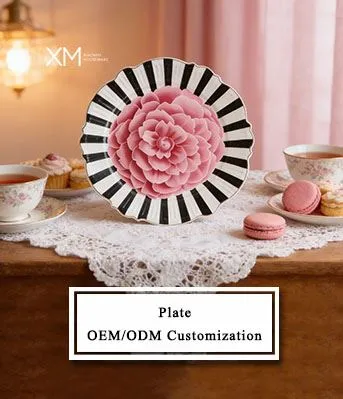




When buying kitchen utensils and tableware, you must first have a basic understanding of them. For example, what are the general sizes of household plates? The size of household plates is generally eight inches, which is sufficient for daily use. At the same time, when purchasing household plates, you should pay attention to the following aspects: pattern, selection of appropriate materials, color and craftsmanship of the plate pattern, depth of the plate, weight of the plate, and place of purchase of the plate. Next, this article will briefly introduce the general sizes of household plates and how to choose household plates. Let's take a look!
1. What are the general sizes of household plates?
Household plates are generally eight inches.
At home, you can usually use an 8-inch one for cooking and other things. There are other options that are not discs. The diameter is generally 25-28 cm.
1. There are many types of plates, and the folding is divided according to the material:
(1) Plastic plates are mainly made of PP, PE and other materials.
(2) Ceramic plates are mainly household ceramics.
(3) Metal plates: stainless steel, aluminum, tin, tinplate, etc.
(4) Wooden plates are mainly used for cooking.
2. Folding is divided according to usage:
(1) Small plates, candy plates, fruit plates, etc. are commonly used at home;
(2) Plates in the service industry can also be used as kitchen utensils, especially those that require metal and ceramic plates, fruit plates, etc. for boiled fish and hot pot.
2. How to choose household plates
1. Look at the patterns
When choosing plates, try to choose ones with fewer patterns. Too many patterns will bring health risks. That is, the color of the patterns will easily fall off after long-term use, and it will be harmful to the body if eaten in the stomach. If you must choose something with patterns, it is better to have as few as possible. The editor thinks the safest option is a solid color plate.
2. Choose plates with appropriate materials
Generally, ceramic plates are used at home, which have good heat resistance and will not release toxic substances even if the temperature is high; glass plates are easy to wash, but have poor heat resistance; and plastic plates are very impractical and inferior. Plastic releases toxic substances when it comes into contact with hot dishes. Therefore, be careful when purchasing and try to choose ceramic ones.
3. Look at the color and craftsmanship of the plate pattern
Most of the patterns on the plate are colored. Pay special attention when selecting. Do not choose printed ones, as these colors are easy to fall off. Choose light-colored patterns that are fired together with the plate. This kind of pattern has a strong color and is durable. Will not wear out easily. The patterns on some plates may feel uneven, which means they were fired together with the plates and you may consider purchasing them.
4. Look at the depth of the plate
Generally, deeper plates can hold more vegetables and soups, which are more practical and can be used more. Flat plates can hold fewer dishes, so you should buy less when purchasing.
5. Weigh the weight of the plate
The texture of the plate can be judged by weighing it. A plate that is too light is made of poor materials, has a thin bottom and is not durable. Try to choose something that is more generous in weight.
6. Go to regular shopping malls to buy
Many people buy plates at street stalls or markets for convenience. Although they are cheap, the quality of the plates is difficult to guarantee. Long-term use will have adverse effects on the human body.
How to choose household plates
May 12, 2024
Leave a message