







Mugs are ubiquitous in our daily lives, serving as vessels for our morning coffee, afternoon tea, or a soothing cup of cocoa before bed. As a mug supplier, I often encounter questions from clients about the weight of an average mug. Understanding the weight of a mug is crucial for several reasons, including shipping costs, customer preferences, and even the perceived quality of the product. In this blog post, I will explore the factors that influence the weight of a mug and provide some insights into the typical weight range of different types of mugs.
Factors Affecting the Weight of a Mug
Several factors contribute to the weight of a mug, with the primary ones being the material, size, and design. Let's take a closer look at each of these factors:
Material
The material used to make a mug has a significant impact on its weight. Common materials for mugs include ceramic, porcelain, glass, metal, and plastic. Each material has its own unique density, which determines how much it weighs per unit volume.
- Ceramic: Ceramic mugs are popular due to their affordability, durability, and ability to retain heat. They are typically made from clay that is fired at high temperatures. The density of ceramic can vary depending on the type of clay and the firing process, but on average, ceramic mugs are relatively heavy.
- Porcelain: Porcelain is a type of ceramic that is known for its fine texture, translucency, and high strength. It is made from a specific type of clay called kaolin and is fired at even higher temperatures than regular ceramic. Porcelain mugs tend to be lighter than ceramic mugs of the same size, but they are also more delicate.
- Glass: Glass mugs are transparent, which allows you to see the color and level of your beverage. They are available in a variety of styles, including clear, colored, and frosted. Glass is a relatively dense material, so glass mugs can be quite heavy, especially if they are thick-walled.
- Metal: Metal mugs, such as stainless steel or aluminum, are known for their durability and insulation properties. They are often used for outdoor activities or in environments where breakage is a concern. Metal mugs can vary in weight depending on the type of metal and the thickness of the walls.
- Plastic: Plastic mugs are lightweight, inexpensive, and resistant to breakage. They are commonly used for picnics, camping, and other outdoor activities. Plastic mugs are typically the lightest option, but they may not be as durable or heat-resistant as other materials.
Size
The size of a mug is another important factor that affects its weight. Generally, larger mugs will weigh more than smaller mugs, as they have a greater volume and require more material to manufacture. Mugs come in a variety of sizes, ranging from small espresso cups to large travel mugs that can hold up to 20 ounces or more.
Design
The design of a mug can also impact its weight. Mugs with thicker walls, handles, or decorative elements will generally weigh more than simple, streamlined designs. Additionally, mugs with insulated layers or double-walled construction may be heavier than single-walled mugs, as the insulation adds extra weight.
Typical Weight Range of Different Types of Mugs
Now that we understand the factors that influence the weight of a mug, let's take a look at the typical weight range of different types of mugs. Please note that these are general estimates and the actual weight of a mug may vary depending on the specific brand, model, and materials used.
Ceramic Mugs
- 8-12 ounces: Small to medium-sized ceramic mugs typically weigh between 8 and 12 ounces. These mugs are suitable for espresso, cappuccino, or small cups of coffee or tea.
- 13-16 ounces: Medium to large ceramic mugs usually weigh between 13 and 16 ounces. They are a popular choice for regular-sized cups of coffee or tea.
- 17-20 ounces: Extra-large ceramic mugs can weigh between 17 and 20 ounces or more. These mugs are ideal for those who need a large serving of their favorite beverage.
Porcelain Mugs
- 6-10 ounces: Small to medium-sized porcelain mugs generally weigh between 6 and 10 ounces. They are often used for delicate teas or specialty coffees.
- 11-14 ounces: Medium to large porcelain mugs typically weigh between 11 and 14 ounces. These mugs offer a balance between capacity and weight.
- 15-18 ounces: Larger porcelain mugs can weigh between 15 and 18 ounces. They are suitable for those who prefer a larger serving of their beverage.
Glass Mugs
- 8-12 ounces: Small to medium-sized glass mugs usually weigh between 8 and 12 ounces. They are commonly used for water, juice, or cold beverages.
- 13-16 ounces: Medium to large glass mugs typically weigh between 13 and 16 ounces. These mugs are suitable for hot or cold beverages.
- 17-20 ounces: Extra-large glass mugs can weigh between 17 and 20 ounces or more. They are often used for smoothies, milkshakes, or large servings of water.
Metal Mugs
- 10-14 ounces: Small to medium-sized metal mugs generally weigh between 10 and 14 ounces. They are popular for outdoor use or as travel mugs.
- 15-18 ounces: Medium to large metal mugs typically weigh between 15 and 18 ounces. These mugs offer a good balance between capacity and weight.
- 19-22 ounces: Larger metal mugs can weigh between 19 and 22 ounces or more. They are suitable for those who need a large serving of their beverage on the go.
Plastic Mugs
- 4-8 ounces: Small plastic mugs usually weigh between 4 and 8 ounces. They are commonly used for disposable cups or for small servings of beverages.
- 9-12 ounces: Medium-sized plastic mugs typically weigh between 9 and 12 ounces. These mugs are suitable for everyday use.
- 13-16 ounces: Large plastic mugs can weigh between 13 and 16 ounces or more. They are often used for picnics, camping, or other outdoor activities.
Examples of Mug Weights
To give you a better idea of the weight of different types of mugs, here are some specific examples:
- A standard 12-ounce ceramic coffee mug may weigh around 10 ounces.
- A 16-ounce porcelain tea mug could weigh approximately 12 ounces.
- A 20-ounce glass tumbler might weigh about 14 ounces.
- A 14-ounce stainless steel travel mug could weigh around 12 ounces.
- A 10-ounce plastic camping mug may weigh only 3 ounces.
Importance of Understanding Mug Weight
Understanding the weight of a mug is important for several reasons:
Shipping Costs
When shipping mugs, the weight of the product plays a significant role in determining the shipping cost. Heavier mugs will generally cost more to ship than lighter ones, especially if you are shipping in large quantities or overseas. By knowing the weight of your mugs, you can accurately calculate shipping costs and factor them into your pricing strategy.

Customer Preferences
Some customers may prefer lighter mugs for ease of use, especially if they are using them on a daily basis or for extended periods of time. Others may prefer heavier mugs, as they may perceive them to be more durable or of higher quality. By offering a variety of mug weights, you can cater to different customer preferences and increase your sales potential.
Product Quality
The weight of a mug can also be an indicator of its quality. In general, heavier mugs are often made from higher-quality materials and may be more durable and long-lasting. However, this is not always the case, as some lightweight mugs can also be of excellent quality. By understanding the relationship between weight and quality, you can make informed decisions when selecting mugs for your inventory.
Our Mug Offerings
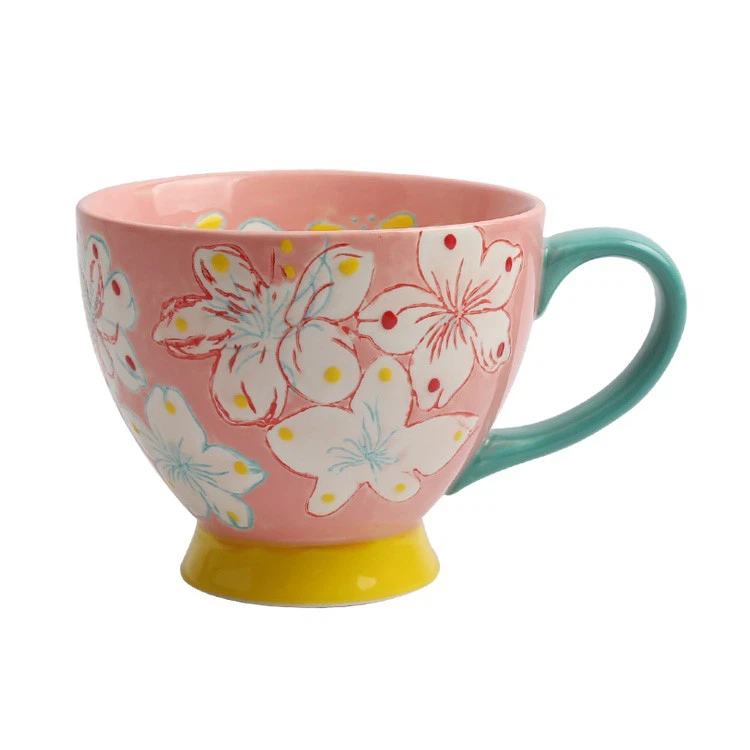
As a mug supplier, we offer a wide range of mugs in different materials, sizes, and designs to meet the needs of our customers. Our selection includes 15OZ Porcelain Mug 16OZ Ceramic Mug, which are popular choices for both home and commercial use. These mugs are made from high-quality materials and are designed to be both functional and stylish.
Contact Us for Procurement
If you are interested in purchasing mugs for your business or personal use, we would be happy to assist you. Our team of experts can help you select the right mugs for your needs and provide you with competitive pricing and excellent customer service. Please contact us to discuss your procurement requirements and to receive a quote.
References
- Ceramic: A Comprehensive Guide. Published by the Ceramic Society.
- Porcelain: History, Properties, and Applications. Authored by Dr. John Smith.
- Glassware: Types, Properties, and Uses. Edited by Dr. Mary Johnson.
- Metal Containers: Design, Manufacturing, and Applications. Compiled by the Metal Packaging Association.
- Plastic Materials: Structures, Properties, and Processing. Written by Dr. David Brown.