





As a supplier of porcelain round soup plates, I've had the privilege of exploring and understanding the unique textures that these exquisite pieces possess. The texture of a porcelain round soup plate is a multi - faceted characteristic that combines elements of touch, appearance, and functionality.
Physical Texture: The Feel of Porcelain
When you hold a high - quality porcelain round soup plate in your hands, the first thing you notice is its smoothness. Porcelain is fired at extremely high temperatures, which results in a dense and non - porous surface. Running your fingers across the plate, you'll feel a cool, glassy smoothness that is both luxurious and reassuring. This smooth texture is not only pleasant to the touch but also has practical benefits. It makes the plate easy to clean; food doesn't stick to the surface, and a simple rinse or a quick wash in the dishwasher is usually sufficient to keep it spotless.
However, the smoothness is not uniform across all porcelain plates. Some plates may have a slightly matte finish. This type of texture is created through specific glazing and firing techniques. A matte - finished porcelain round soup plate has a more subdued sheen compared to a glossy one. It gives the plate a more rustic or contemporary look, depending on the overall design. The matte texture can also provide a bit of grip, which can be useful when handling the plate, especially when it's wet or filled with hot soup.
On the edges of the plate, the texture may change slightly. Well - crafted porcelain plates often have a finely finished edge. Some plates have a rounded edge, which feels soft and comfortable between your fingers. Others may have a beveled edge, which adds a touch of elegance and can also enhance the visual appeal of the plate. The edge texture can also affect how the plate sits on a table or in a stack. A well - defined edge ensures stability and a neat appearance when multiple plates are stacked.
Visual Texture: Patterns and Decorations
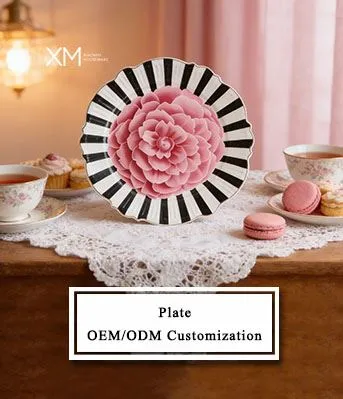
The visual texture of a porcelain round soup plate is equally important. Porcelain plates can feature a wide range of patterns and decorations that add depth and character. For example, consider the Underglaze Colour 12 Inch Round Plate Vintage Floral Ceramic Plate. This plate showcases a beautiful vintage floral pattern created using underglaze color techniques. The underglaze colors are applied before the glaze is fired, resulting in a pattern that is both vibrant and durable. The floral design gives the plate a sense of movement and a three - dimensional quality, even though it's a flat surface. The petals and leaves of the flowers seem to pop out, creating a visual texture that draws the eye.
Another popular option is the Floral Porcelain Dinner Plate. The floral patterns on this plate can vary from delicate and intricate designs to bold and colorful ones. The use of different colors and brushstrokes in the floral motifs creates a rich visual texture. Some plates may have a gradient effect in the colors, where the hues blend seamlessly from one shade to another. This gradient adds a sense of depth and softness to the visual texture of the plate.


The Floral Porcelain Dessert Plate also offers unique visual textures. Dessert plates often feature more delicate and refined patterns compared to dinner plates. The floral designs may be smaller and more detailed, with a focus on creating a romantic and elegant look. The use of gold or silver accents in the pattern can further enhance the visual texture. These metallic accents catch the light and add a touch of luxury and sparkle to the plate.
Functional Texture: How It Affects Use
The texture of a porcelain round soup plate also has a significant impact on its functionality. The smooth surface of the plate ensures that soup or other liquids flow evenly across it. This is important for both serving and eating. When pouring soup into the plate, the smooth texture allows the soup to spread out in a natural way, creating an aesthetically pleasing presentation. And when using a spoon to eat the soup, the smooth surface doesn't impede the movement of the spoon, making it easy to scoop up every last drop.
The edge texture of the plate can also affect how it's used. A plate with a well - designed edge can make it easier to hold and lift, especially when the plate is full of hot soup. The edge provides a comfortable grip, reducing the risk of dropping the plate. Additionally, the shape and texture of the edge can influence how the soup is sipped from the plate. A rounded edge may allow for a more natural and comfortable sipping experience, while a beveled edge can add a bit of style to the act of drinking soup.
The visual texture of the plate can also play a role in the dining experience. A plate with an interesting and attractive pattern can enhance the overall aesthetic of the meal. It can make the food look more appealing and add to the enjoyment of the dining occasion. For example, a floral - patterned plate can create a warm and inviting atmosphere, making the meal feel more special.
The Manufacturing Process and Texture
The texture of a porcelain round soup plate is a result of the complex manufacturing process. Porcelain is made from a combination of clay, feldspar, and quartz. These raw materials are carefully selected and mixed to create a paste. The paste is then shaped into the desired plate form, either by hand - throwing on a potter's wheel or using molds.
After shaping, the plate undergoes a bisque firing. This initial firing at a relatively low temperature hardens the plate and makes it porous enough to absorb the glaze. The glaze is then applied to the plate. The type of glaze used has a significant impact on the texture. A glossy glaze will result in a smooth and shiny surface, while a matte glaze will create a more subdued and textured finish.
The decoration of the plate, such as the floral patterns, is added either before or after the glaze firing. Underglaze colors are applied before the glaze and are then fired at a high temperature, which bonds the colors to the porcelain. Overglaze colors are applied after the glaze firing and are then fired at a lower temperature. Each of these techniques can create different visual textures on the plate.
Conclusion
In conclusion, the texture of a porcelain round soup plate is a complex and multi - dimensional characteristic. It encompasses the physical feel, the visual appearance, and the functionality of the plate. Whether you prefer a smooth and glossy plate or one with a more matte and textured finish, there is a porcelain round soup plate to suit every taste and occasion.
If you're interested in exploring our range of porcelain round soup plates and other porcelain products, we invite you to reach out for a procurement discussion. Our team of experts is ready to assist you in finding the perfect plates for your needs, whether it's for a restaurant, a catering business, or personal use.
References
- "The Art of Porcelain Making" by a well - known ceramics author (not specified for privacy)
- Industry reports on porcelain manufacturing and design trends