






A license plate, in a broad sense, is an identifying tag or plate that serves to uniquely mark and distinguish a particular entity. While the term “license plate” is most commonly associated with vehicles, it can also refer to various other types of identification tags used in different contexts.
Vehicle License Plates
Vehicle license plates are perhaps the most well - known type of license plates. They are metal or plastic plates attached to motor vehicles, such as cars, trucks, motorcycles, and buses. These plates are issued by government authorities, typically a department of motor vehicles (DMV) or a similar agency.
The primary function of vehicle license plates is to provide a means of identification for the vehicle and its owner. Each license plate has a unique combination of letters, numbers, or both. This unique identifier allows law enforcement officers, parking attendants, and other relevant parties to quickly and easily identify a vehicle. For example, if a vehicle is involved in a traffic violation, the license plate number can be used to track down the owner of the vehicle.

License plates also play a crucial role in vehicle registration. When a person purchases a new vehicle, they are required to register it with the appropriate government agency. As part of the registration process, the owner is issued a license plate. The license plate number is linked to the vehicle's registration information, including the owner's name, address, and vehicle details such as make, model, and year.
In addition to identification and registration, vehicle license plates can also carry other information. Some license plates may include special symbols or emblems that represent the state or country where the vehicle is registered. For example, in the United States, each state has its own unique license plate design, often featuring a state logo or a scenic image.
Other Types of License Plates
Beyond vehicles, license plates can be used in a variety of other settings. For instance, in the maritime industry, ships are often required to display identification numbers on their hulls, which can be considered a form of license plate. These numbers help in identifying the ship, its owner, and its country of origin.
In the aviation industry, aircraft have their own unique identification numbers, known as tail numbers. These numbers are displayed on the aircraft's tail and are used for identification and tracking purposes. Just like vehicle license plates, aircraft tail numbers are registered with the appropriate aviation authorities.
License Plates in the Business Context
As a plate supplier, I deal with a wide range of license plates and similar identification products. We offer not only traditional vehicle license plates but also custom - made plates for various applications. For example, we can produce identification plates for industrial equipment, machinery, and even electronic devices.
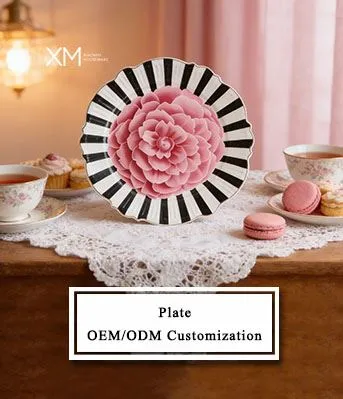
One of our popular products is the Ceramic Round Plate. These plates are made from high - quality ceramic materials, which offer several advantages. Ceramic is a durable material that can withstand harsh environmental conditions, such as extreme temperatures, moisture, and chemical exposure. This makes our ceramic round plates ideal for use in outdoor or industrial settings.
The ceramic round plates can be customized with different designs, logos, and text. Whether you need a plate for branding purposes, safety instructions, or identification, we can create a plate that meets your specific requirements. Our team of experienced designers and technicians uses advanced printing and engraving techniques to ensure that the plates are of the highest quality and have a long - lasting finish.
The Manufacturing Process of License Plates
The manufacturing process of license plates can vary depending on the type of plate and the materials used. For traditional vehicle license plates, the process typically involves the following steps:
- Material Selection: The most common materials for vehicle license plates are metal (usually aluminum) and plastic. Aluminum is a popular choice because it is lightweight, durable, and corrosion - resistant.
- Plate Formation: The selected material is cut into the appropriate size and shape. For metal plates, this may involve using a cutting machine to cut the aluminum sheets. Plastic plates can be formed through injection molding or thermoforming processes.
- Printing or Engraving: The license plate number, letters, and any other required information are added to the plate. This can be done through printing techniques, such as screen printing or digital printing, or through engraving methods, such as laser engraving.
- Coating and Finishing: To protect the plate and enhance its appearance, a coating is applied. This coating can be a clear lacquer or a colored paint, depending on the design requirements.
For our ceramic round plates, the manufacturing process is a bit different. First, the ceramic material is shaped into a round plate using a molding process. Then, the design is applied to the plate using a special ceramic printing technique. After that, the plate is fired in a kiln at high temperatures to ensure that the design is permanently fused to the ceramic surface.
Quality Control and Standards
As a plate supplier, we understand the importance of quality control and meeting industry standards. All of our license plates, including the Ceramic Round Plate, are manufactured in accordance with strict quality control procedures.
We conduct regular inspections at every stage of the manufacturing process to ensure that the plates meet the required specifications. For vehicle license plates, we adhere to the standards set by the relevant government agencies. This includes requirements for plate size, font style, and color.
For our custom - made plates, we work closely with our customers to understand their specific needs and ensure that the plates meet their expectations. We also test the plates for durability, legibility, and resistance to environmental factors.
Why Choose Our Plate Supplier?
There are several reasons why you should choose our plate supplier for your license plate and identification needs.
- Quality Products: We are committed to providing high - quality plates that are durable and long - lasting. Our use of advanced materials and manufacturing techniques ensures that our plates can withstand the test of time.
- Customization Options: We offer a wide range of customization options, allowing you to create plates that are unique to your brand or application. Whether you need a simple identification plate or a complex design, we can make it happen.
- Excellent Customer Service: Our team of customer service representatives is dedicated to providing you with the best possible experience. We are always available to answer your questions, provide design suggestions, and ensure that your order is processed smoothly.
- Competitive Pricing: We understand the importance of cost - effectiveness. Our pricing is competitive in the market, without compromising on the quality of our products.
Contact Us for Your Plate Needs
If you are in the market for license plates or identification products, we invite you to contact us for a consultation. Whether you need a single plate or a large order, we can help you find the right solution. Our team of experts will work with you to understand your requirements, provide you with a detailed quote, and guide you through the entire process from design to delivery.
Do not hesitate to reach out to us if you have any questions or if you would like to discuss your plate needs further. We look forward to working with you to meet your license plate and identification requirements.
References
- "Automotive License Plate Design and Regulations" - Department of Motor Vehicles research report
- "Ceramic Materials in Industrial Applications" - Journal of Materials Science
- "Identification Systems in the Aviation and Maritime Industries" - International Transport Research Journal