


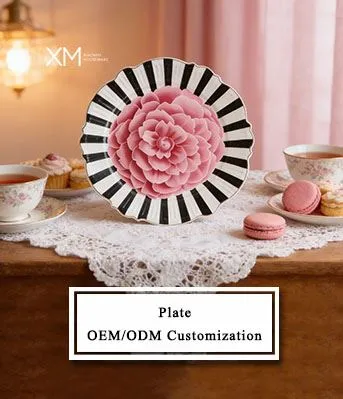




Porcelain dinner plates are a staple in many households and restaurants, valued for their elegance, durability, and versatility. As a porcelain dinner plate supplier, I often receive inquiries about the thickness of these plates. In this blog post, I'll delve into the various thicknesses of porcelain dinner plates, their implications, and how to choose the right one for your needs.
Understanding Porcelain and Its Properties
Before discussing plate thickness, it's essential to understand porcelain. Porcelain is a ceramic material made from kaolin, a type of white clay, along with other minerals. It is fired at high temperatures, which gives it a hard, vitreous, and non - porous surface. This makes porcelain dinner plates resistant to stains, scratches, and chipping, and suitable for both daily use and special occasions.
Standard Thicknesses of Porcelain Dinner Plates
The thickness of porcelain dinner plates can vary based on several factors, including the intended use, design, and manufacturing process.


-
Thin Porcelain Dinner Plates (2 - 3 mm)
Thin porcelain plates are often associated with a delicate and refined aesthetic. They are commonly used in high - end restaurants or for formal dining settings. These plates are lighter in weight, which can make them more comfortable to handle during service. The thinness also allows for a more elegant appearance, with a fine rim that enhances the presentation of food. However, they may be more prone to chipping if not handled carefully. For customers who are looking for a touch of luxury and are willing to take extra care, thin porcelain dinner plates are an excellent choice. You can explore our collection of Porcelain Dinner Plate to find thin options that suit your needs. -
Medium - Thickness Porcelain Dinner Plates (3 - 5 mm)
Medium - thickness plates strike a balance between durability and elegance. They are suitable for both home use and commercial settings such as cafes and casual restaurants. These plates are less likely to chip compared to thin plates, while still maintaining a relatively lightweight feel. The increased thickness provides more structural integrity, making them a practical choice for everyday dining. Many customers prefer medium - thickness plates because they offer a good combination of style and functionality. -
Thick Porcelain Dinner Plates (5 mm and above)
Thick porcelain dinner plates are known for their robustness. They are often used in environments where durability is a top priority, such as institutional kitchens, buffet settings, or in households with children. These plates can withstand rough handling, frequent washing, and stacking without significant damage. The extra thickness also gives them a substantial feel, which some people associate with quality. However, they are heavier than thin and medium - thickness plates, which may be a drawback for some users. If you need plates that can stand up to heavy use, our thick Porcelain Dinner Plate options are worth considering.
Factors Affecting Plate Thickness
-
Manufacturing Process
The manufacturing process plays a crucial role in determining the thickness of porcelain dinner plates. Different factories may use different techniques, such as slip casting or pressing. Slip casting allows for more precise control over the thickness, and it can be used to create plates with varying thicknesses in different parts of the plate, for example, a thicker base for stability and a thinner rim for aesthetics. Pressing, on the other hand, may result in a more uniform thickness throughout the plate. -
Design and Aesthetics
Designers may choose a specific thickness to achieve a particular aesthetic effect. For example, a modern, minimalist design may call for a thin plate to create a sleek and uncluttered look. In contrast, a traditional or rustic design may benefit from a thicker plate to convey a sense of solidity and craftsmanship. -
Intended Use
As mentioned earlier, the intended use of the plate is a significant factor. Plates for fine dining are typically thinner to enhance the dining experience, while plates for heavy - duty use are thicker to ensure longevity.
Choosing the Right Thickness
When choosing the thickness of porcelain dinner plates, consider the following:
-
Usage Frequency
If you plan to use the plates daily, a medium - or thick - thickness plate may be more suitable. For occasional use, such as for special dinners, a thin plate can add a touch of elegance. -
Handling Conditions
If the plates will be handled by inexperienced staff or in a busy environment, thicker plates are a better choice to reduce the risk of breakage. -
Aesthetic Preferences
Your personal or your establishment's aesthetic preferences also matter. If you prefer a more delicate look, thin plates are ideal. For a more substantial appearance, opt for thicker plates.
Related Products: Porcelain Soup Plates
In addition to dinner plates, porcelain soup plates are also popular. The thickness of Porcelain Soup Plate follows a similar range as dinner plates. Thin soup plates are great for presenting soup in a sophisticated way, while medium - and thick - thickness soup plates are more practical for home and commercial use. You can explore our Porcelain Soup Plate collection to find the right thickness for your soup - serving needs.
Conclusion
The thickness of porcelain dinner plates is an important consideration that affects their durability, appearance, and functionality. Whether you are a restaurant owner, a caterer, or a homeowner, understanding the different thicknesses available can help you make an informed decision. As a porcelain dinner plate supplier, I am committed to providing high - quality plates in a variety of thicknesses to meet the diverse needs of our customers.
If you are interested in purchasing porcelain dinner plates or have any questions about the thickness or other aspects of our products, please feel free to contact us for a procurement discussion. We look forward to working with you to find the perfect plates for your needs.
References
- "Ceramics: Science and Technology" by J. Reed
- "The Art of Porcelain" by C. H. Carter