







Hey there! As a mug supplier, I've seen all kinds of mugs come and go. While plastic mugs have been super popular over the years, I've got to be honest with you – they've got their fair share of disadvantages. Let's dive into what these are and why you might want to consider other options.
1. Environmental Impact
First off, the environmental impact of plastic mugs is huge. Plastic is made from petroleum, a non - renewable resource. Extracting and processing petroleum to make plastic uses up a ton of energy and releases a whole bunch of greenhouse gases into the atmosphere.
Once you're done with your plastic mug, it doesn't just disappear. Plastic takes hundreds of years to break down in landfills. And when it does start to break down, it doesn't really go away; it just turns into microplastics. These microplastics end up in our soil, waterways, and even the air we breathe. They're ingested by wildlife, which can cause all sorts of health problems for animals. For example, seabirds often mistake plastic pieces for food, and it can block their digestive systems, leading to starvation.
Moreover, the production of plastic mugs also generates a lot of waste. There are leftover plastic scraps during the manufacturing process that often end up in landfills. And let's not forget about the pollution caused by the factories that make these mugs. They release chemicals and toxins into the environment, which can contaminate local water sources and harm nearby communities.
2. Health Concerns
Another big issue with plastic mugs is the potential health risks. Many plastic mugs are made from materials that contain harmful chemicals like BPA (bisphenol A). BPA is an endocrine disruptor, which means it can interfere with our hormones. Studies have linked BPA exposure to a range of health problems, including reproductive issues, obesity, and even certain types of cancer.
Even if a plastic mug is labeled as "BPA - free," it might still contain other harmful chemicals. For example, some BPA - free plastics use bisphenol S (BPS) as a substitute, and research has shown that BPS can have similar effects on our hormones as BPA.
When you use a plastic mug to drink hot beverages, the heat can cause the plastic to break down and release these chemicals into your drink. Over time, this constant exposure to harmful chemicals can have a negative impact on your health.
3. Durability and Aesthetics
You might think that plastic mugs are super durable, but that's not always the case. While they're less likely to break than glass or ceramic mugs, they can get scratched and scuffed easily. These scratches can make the mug look old and dirty, even if you clean it regularly.
Plastic mugs also tend to absorb odors and flavors. If you use a plastic mug to drink coffee one day and tea the next, the mug might start to smell like a weird combination of the two. And no matter how much you wash it, it can be really hard to get rid of those odors.
In terms of aesthetics, plastic mugs just don't have the same appeal as other types of mugs. They often look cheap and lack the elegance and charm of porcelain or ceramic mugs. For example, 15OZ Porcelain Mug 16OZ Ceramic Mug have a smooth, shiny finish and can be beautifully decorated, making them a great addition to any kitchen or office.
4. Temperature Retention
If you're someone who likes to enjoy a hot cup of coffee or tea slowly, a plastic mug might not be the best choice. Plastic is not a good insulator, which means your drink will cool down quickly. You'll end up having to drink your beverage fast or reheat it multiple times, which can be a hassle.
On the other hand, porcelain and ceramic mugs are much better at retaining heat. They can keep your drink hot for a longer period, allowing you to savor every sip at your own pace.
5. Recycling Challenges
Recycling plastic mugs can be a real pain. Not all types of plastic are recyclable, and even if they are, the recycling process is often complicated and expensive. Many recycling facilities don't have the equipment to handle plastic mugs, so they end up in landfills anyway.
In addition, the quality of recycled plastic is often lower than that of virgin plastic. This means that recycled plastic mugs might not be as strong or durable as new ones. So, even if you do try to recycle your plastic mug, you might not be doing as much good for the environment as you think.

So, What's the Alternative?
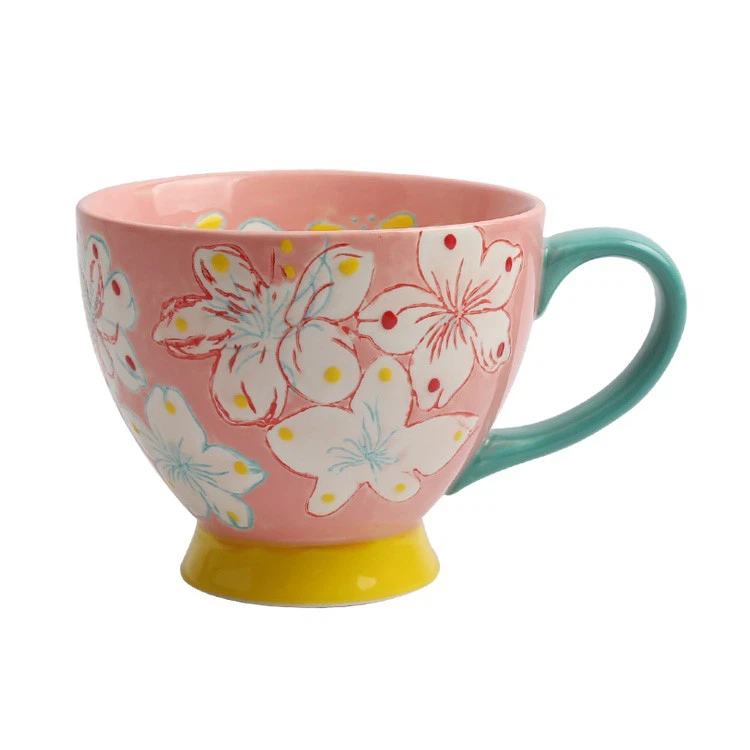
As a mug supplier, I've got plenty of great alternatives to plastic mugs. Porcelain and ceramic mugs, like the 15OZ Porcelain Mug 16OZ Ceramic Mug, are not only beautiful but also much better for the environment and your health. They're made from natural materials that are abundant and renewable, and they don't contain harmful chemicals.
They're also more durable and have better heat retention than plastic mugs. Plus, they come in a wide variety of styles and designs, so you can find one that suits your taste.
If you're in the market for new mugs for your home, office, or business, I'd love to chat with you about your options. Whether you're looking for a single mug for yourself or a bulk order for a special event, I've got you covered. Reach out to me, and we can start discussing the perfect mugs for your needs.
References
- "The Health Effects of BPA." National Institute of Environmental Health Sciences.
- "Plastic Pollution and Its Impact on Wildlife." World Wildlife Fund.
- "Recycling Plastics: Challenges and Solutions." Environmental Protection Agency.