





Hey there, fellow antique enthusiasts! I'm a supplier of vintage porcelain bowls, and I've been in this business for quite some time. Over the years, I've come across all sorts of vintage porcelain bowls, each with its own unique charm and history. But like any antique item, vintage porcelain bowls aren't perfect. They often come with a few common defects that you should be aware of before making a purchase.
Cracks and Chips
One of the most obvious and common defects in vintage porcelain bowls is cracks and chips. These can occur due to a variety of reasons, such as mishandling, improper storage, or even just the natural wear and tear of time. Cracks can range from small hairline fractures to large, visible breaks, while chips are usually small pieces that have broken off from the edge or surface of the bowl.
Cracks and chips can not only affect the aesthetic appeal of the bowl but also its structural integrity. A cracked bowl may be more prone to further damage, and a chipped bowl may have sharp edges that can be dangerous. When inspecting a vintage porcelain bowl, pay close attention to the edges, rims, and surfaces for any signs of cracks or chips. If you notice any, it's important to consider whether the defect is minor and acceptable to you or if it's a deal-breaker.
Glaze Defects
The glaze is the thin, glassy coating that gives porcelain bowls their smooth, shiny finish. However, over time, the glaze can develop a number of defects. One common glaze defect is crazing, which appears as a network of fine cracks on the surface of the glaze. Crazing is usually caused by the expansion and contraction of the porcelain and glaze at different rates, and it's often a sign of an older piece.
While crazing is generally considered a cosmetic defect and doesn't usually affect the functionality of the bowl, it can sometimes trap dirt and stains, making the bowl harder to clean. Another glaze defect is pitting, which are small holes or depressions in the glaze. Pitting can be caused by impurities in the clay or glaze, or by damage during the firing process.
Color Fading and Discoloration
Vintage porcelain bowls often have beautiful colors and patterns, but over time, these colors can fade or become discolored. Exposure to sunlight, heat, and chemicals can all cause color fading, while stains from food, drinks, or other substances can lead to discoloration. Color fading and discoloration can significantly reduce the visual appeal of the bowl, especially if it's a piece with intricate patterns or vibrant colors.
When looking at a vintage porcelain bowl, compare the colors to what you would expect for the piece. If the colors seem dull or uneven, it could be a sign of fading or discoloration. Some discoloration may be removable with proper cleaning, but in other cases, it may be permanent.
Warping
Warping is another defect that can occur in vintage porcelain bowls. This happens when the bowl becomes misshapen, either during the firing process or due to external factors such as heat or pressure. A warped bowl may not sit flat on a surface, and it can also affect the way the bowl looks and functions.
To check for warping, place the bowl on a flat surface and see if it rocks or wobbles. If it does, then the bowl is likely warped. Warping can range from minor to severe, and it's important to decide whether it's something you can overlook or if it's a major issue.
Underglaze and Overglaze Issues
Many vintage porcelain bowls have underglaze or overglaze decorations, such as paintings or patterns. These decorations can also have their own set of problems. For underglaze decorations, there may be issues with the colors bleeding or running, which can make the design look messy or unclear.
Overglaze decorations, on the other hand, can be more prone to chipping or flaking off. This is because the overglaze is applied on top of the fired glaze, and it may not adhere as well over time. When examining a bowl with underglaze or overglaze decorations, look closely at the details to see if there are any signs of damage or irregularities.
Examples of Vintage Porcelain Bowls
Let me give you a few examples of the types of vintage porcelain bowls I have in my collection. First up, we have the White Porcelain Bowl. These classic bowls are known for their simplicity and elegance. However, they can still have the common defects I mentioned earlier, such as cracks, glaze issues, or discoloration.
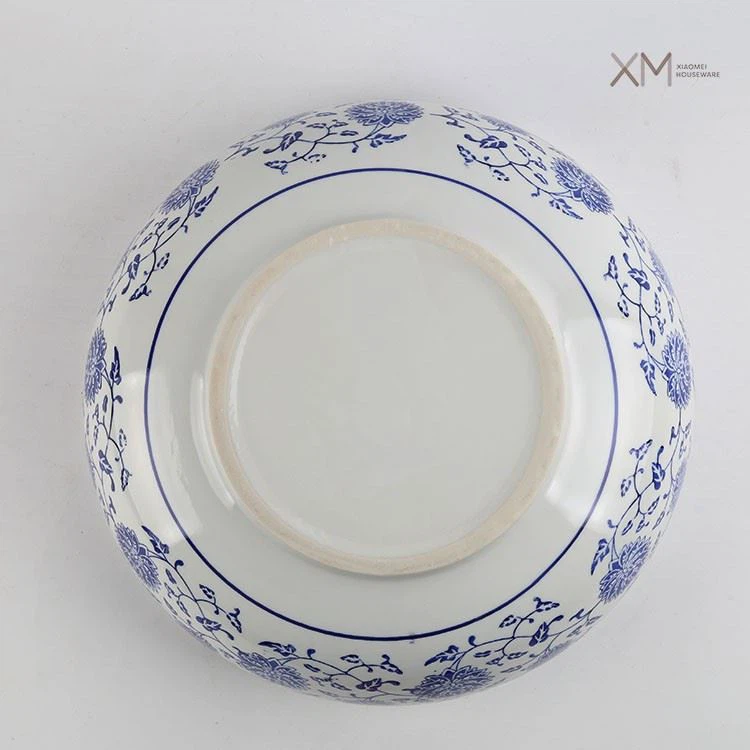
Then there's the Floral Porcelain Bowl. These bowls are often decorated with beautiful floral patterns, which can be affected by color fading or overglaze damage. And don't forget about the Vintage Floral 11.5 Inch Salad Ceramic Bowl Underglaze Colour Blue And White Porcelain. This larger bowl is great for serving salads or other dishes, but it too can have its share of defects, especially considering its size and the intricacy of its design.
How to Deal with Defects
If you're interested in purchasing a vintage porcelain bowl with defects, there are a few things you can do. First, consider the price. A bowl with significant defects should generally be priced lower than a perfect piece. You can use the defects as a bargaining tool when negotiating the price.
Second, think about whether you can repair or restore the bowl. Some minor cracks and chips can be repaired by a professional ceramic restorer, and some stains and discoloration can be removed with gentle cleaning methods. However, keep in mind that restoration can be expensive, and it may not always be possible to completely restore the bowl to its original condition.
Conclusion
As a supplier of vintage porcelain bowls, I understand that these defects are a part of the charm and history of these pieces. Each defect tells a story about the bowl's past, and it can add to the character of the piece. But at the same time, it's important to be aware of these common defects so that you can make an informed decision when purchasing a vintage porcelain bowl.
If you're interested in adding a vintage porcelain bowl to your collection or using it for everyday use, I'd love to talk to you. Whether you're looking for a specific type of bowl or just want to browse my collection, feel free to reach out. I'm always happy to answer any questions you may have and help you find the perfect vintage porcelain bowl for your needs.

References
- "The Complete Guide to Antique Porcelain" by Jane Smith
- "Porcelain: History, Techniques, and Collecting" by John Doe