





Preserving a vintage porcelain bowl is not only a way to cherish history and art but also a responsibility for those who value cultural heritage. As a supplier of Vintage Porcelain Bowls, I have witnessed the beauty and fragility of these timeless pieces. In this blog, I will share some scientific and practical methods on how to preserve a vintage porcelain bowl for future generations.
Understanding the Nature of Vintage Porcelain Bowls
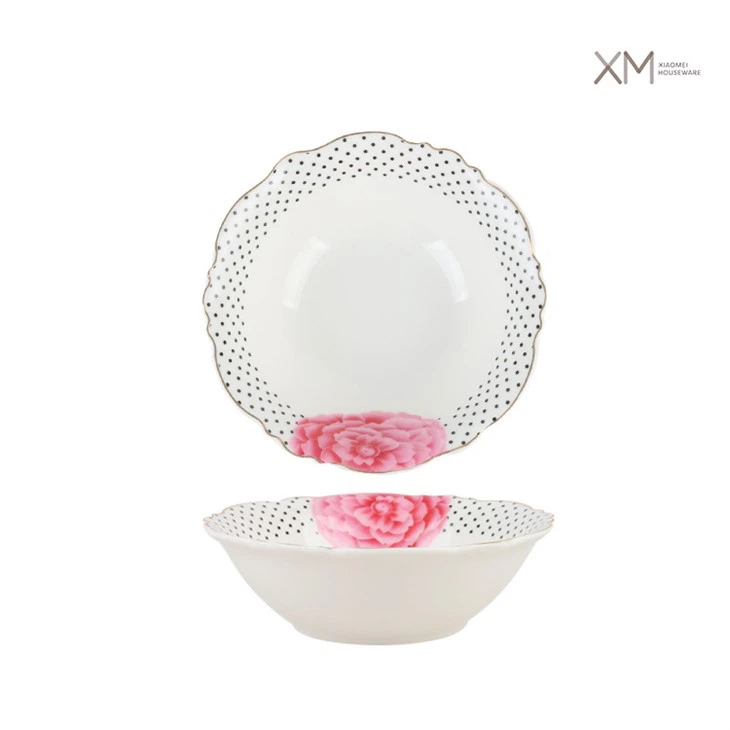
Before delving into preservation techniques, it is essential to understand the characteristics of vintage porcelain bowls. Porcelain is a ceramic material made from kaolin clay, feldspar, and quartz, fired at high temperatures. Vintage porcelain bowls, which may date back decades or even centuries, often have unique glazes, patterns, and colors that reflect the craftsmanship and aesthetic trends of their time.

These bowls are susceptible to various forms of damage, including physical impact, environmental factors, and chemical reactions. Physical impact can cause cracks, chips, or even breakage, while environmental factors such as humidity, temperature fluctuations, and sunlight can lead to discoloration, fading, and the growth of mold or mildew. Chemical reactions can occur when the porcelain comes into contact with acidic or alkaline substances, which can corrode the glaze and damage the surface.
Choosing the Right Storage Environment
The first step in preserving a vintage porcelain bowl is to choose the right storage environment. The ideal storage conditions for porcelain bowls are a cool, dry, and stable environment with low humidity and minimal temperature fluctuations. A temperature range of 60°F to 70°F (15°C to 21°C) and a relative humidity of 40% to 50% are recommended.
Avoid storing the bowl in areas prone to extreme temperature changes, such as attics, basements, or near heating or cooling vents. Direct sunlight can also cause the colors of the porcelain to fade over time, so it is best to store the bowl in a dark or dimly lit area.
When storing the bowl, it is important to use appropriate packaging materials to protect it from physical damage. Wrap the bowl in acid-free tissue paper or bubble wrap, and place it in a sturdy box or container. You can also use foam inserts or padding to cushion the bowl and prevent it from moving around during storage.
Cleaning and Maintenance
Regular cleaning and maintenance are essential for preserving the beauty and integrity of a vintage porcelain bowl. However, it is important to use gentle cleaning methods and avoid using harsh chemicals or abrasive materials that can damage the glaze.
To clean the bowl, start by rinsing it under lukewarm water to remove any loose dirt or debris. Then, use a soft, lint-free cloth or sponge to apply a mild dish soap or porcelain cleaner to the surface of the bowl. Gently scrub the bowl in a circular motion, paying special attention to any areas with stains or dirt. Rinse the bowl thoroughly under lukewarm water to remove all traces of soap or cleaner, and dry it with a soft, clean cloth.
Avoid using abrasive sponges, brushes, or scouring pads, as these can scratch the glaze and damage the surface of the bowl. Also, avoid soaking the bowl in water for extended periods of time, as this can cause the porcelain to absorb moisture and become damaged.
In addition to regular cleaning, it is important to inspect the bowl periodically for any signs of damage or wear. Look for cracks, chips, or discoloration, and address any issues promptly to prevent further damage.
Handling and Display
When handling a vintage porcelain bowl, it is important to take extra care to avoid dropping or bumping it. Always hold the bowl with both hands, and support it from the bottom to prevent it from slipping or tipping over. Avoid touching the surface of the bowl with your bare hands, as the oils and acids in your skin can damage the glaze over time.
If you want to display the bowl, choose a stable and secure display surface, such as a glass cabinet or a wooden shelf. Avoid placing the bowl in areas where it can be easily knocked over or damaged, such as near doorways or high-traffic areas. You can also use display stands or pedestals to elevate the bowl and showcase its beauty.
Protecting Against Pests and Insects
Pests and insects can also pose a threat to the preservation of a vintage porcelain bowl. Insects such as silverfish, cockroaches, and termites can chew on the paper or cardboard packaging materials, while rodents can gnaw on the porcelain itself.
To protect the bowl from pests and insects, store it in a sealed container or cabinet, and use pest control measures such as insecticides or traps. You can also place cedar chips or lavender sachets near the bowl to repel insects naturally.
Conclusion
Preserving a vintage porcelain bowl for future generations requires a combination of knowledge, care, and attention to detail. By understanding the nature of vintage porcelain bowls, choosing the right storage environment, cleaning and maintaining the bowl regularly, handling and displaying it with care, and protecting it against pests and insects, you can ensure that your vintage porcelain bowl remains a beautiful and valuable piece of art for years to come.
As a supplier of Vintage Porcelain Bowls, I am committed to providing high-quality products and expert advice on porcelain preservation. If you are interested in purchasing a vintage porcelain bowl or have any questions about porcelain preservation, please feel free to [initiate a conversation to discuss your procurement needs]. I look forward to hearing from you and helping you find the perfect vintage porcelain bowl for your collection.
References
- "Porcelain: History, Types, and Characteristics." The Spruce Crafts.
- "How to Care for and Preserve Porcelain." Museum of Fine Arts, Boston.
- "Porcelain Conservation: A Guide for Collectors." The British Museum.