





Hey there, fellow porcelain mug enthusiasts! I'm a supplier of Vintage Porcelain Mugs, and I've seen my fair share of real deals and reproductions in the market. Figuring out if a vintage porcelain mug is a reproduction can be a bit of a puzzle, but with the right know - how, you can become a pro at it.
1. Examine the Markings
One of the first things I always check when I get my hands on a porcelain mug is the markings. Authentic vintage mugs usually have some kind of maker's mark, logo, or signature on the bottom. These markings can tell you a lot about the mug's origin and age.
For example, some well - known porcelain manufacturers have very distinct markings that have evolved over time. A real old - school mark might be hand - painted, which gives it a bit of an uneven look. Reproductions, on the other hand, often have machine - stamped markings that are too perfect, lacking that human touch.
If you're interested in a Vintage Porcelain Mug, take a close look at these markings. You can use a magnifying glass to spot any signs of modern manufacturing techniques like sharp edges or inconsistent ink quality in the markings. Sometimes, you might even find that the font or style of the mark doesn't match the era the mug is supposed to be from.
2. Check the Material and Texture
The material and texture of a porcelain mug can be a dead giveaway. Vintage porcelain was made using different techniques and materials compared to modern reproductions.
Authentic vintage porcelain mugs often have a slightly rough texture on the inside, especially around the rim. This is because older manufacturing processes didn't have the same level of precision as today's. The glaze on vintage mugs also has a unique quality. It might have a bit of a crackled or crazed appearance, which is a natural result of aging. This crazing isn't a sign of damage but rather a characteristic of old porcelain.
In contrast, reproductions usually have a smooth, flawless interior and a glaze that looks too shiny and new. The porcelain itself might feel lighter or more brittle than a genuine vintage piece. If you're handling a mug and it just doesn't feel right in terms of weight and texture, it could be a reproduction.

3. Look at the Design and Artwork
The design and artwork on a porcelain mug can reveal a lot about its authenticity. Vintage mugs often feature hand - painted designs. These hand - painted elements will have variations in color, brushstrokes, and details. You might notice that the lines aren't perfectly straight or that the colors blend in a more organic way.
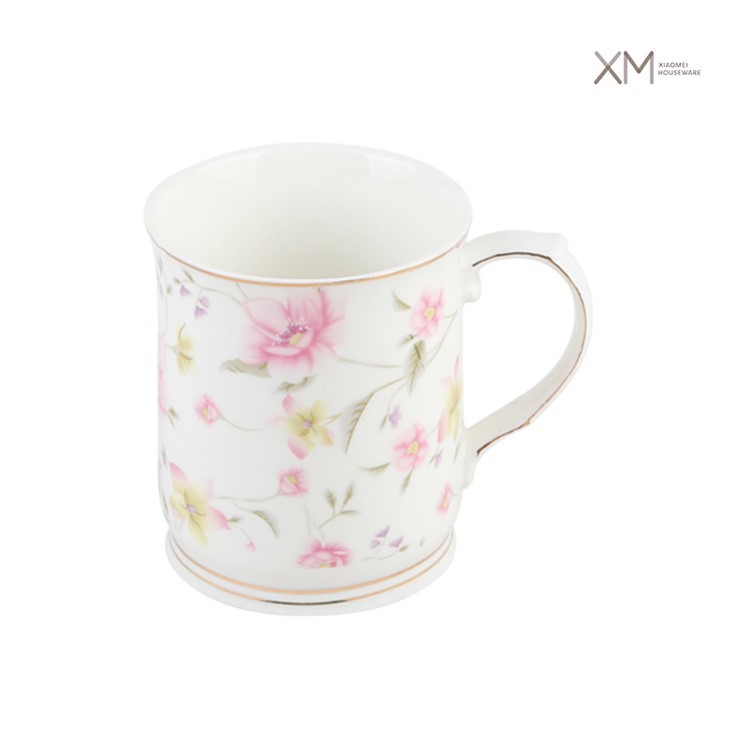
For instance, a Floral Porcelain Mug from the vintage era would have flowers painted with a certain charm and imperfection. Reproductions, however, may use digital printing or mass - produced decals. These designs look too uniform, with no signs of the artist's individual touch. The colors might be too bright and saturated, lacking the subtlety of vintage hand - painted work.
Another thing to consider is the subject matter and style of the design. Some designs were popular during specific time periods. If a mug has a design that seems out of place for the era it claims to be from, it's likely a reproduction.
4. Evaluate the Shape and Construction
The shape and construction of a vintage porcelain mug can also help you determine its authenticity. Older mugs were often made using molds and techniques that result in slightly irregular shapes. The handles might be a bit off - center, or the body of the mug might not be perfectly round.
Vintage mugs also have a different way of being joined together. For example, the handle might be attached in a way that leaves a visible seam or a rough edge where it meets the body of the mug. Reproductions, on the other hand, are usually made with more modern machinery, resulting in a more symmetrical and precise shape. The handle attachment is often seamless and looks too perfect.
If you're in the market for a Vintage Porcelain Mug, pay attention to these details. A mug that looks too perfect in terms of shape and construction is likely a reproduction.
5. Research the History and Provenance
Doing a bit of research on the history and provenance of a porcelain mug can go a long way in determining its authenticity. Find out about the manufacturer, the time period the mug is supposed to be from, and any unique features associated with that era.
You can look at antique catalogs, books on porcelain, or online forums where collectors share their knowledge. If you can trace the mug's history back to a particular collection or estate, it's more likely to be authentic. Reproductions often lack this kind of historical background.
For example, if a mug is said to be from a famous porcelain factory, check if that factory actually produced mugs with the design and features of the one you're looking at. You might also find that certain factories had specific production runs or limited - edition releases, which can add to the mug's authenticity.
6. Seek Expert Opinion
If you're still unsure whether a vintage porcelain mug is a reproduction, don't hesitate to seek the opinion of an expert. There are antique appraisers, collectors, and dealers who have years of experience in identifying genuine vintage items.
You can take the mug to a local antique shop or a porcelain - specific expert. They can use their knowledge and tools to give you a more accurate assessment. Sometimes, they might even be able to tell you more about the mug's history and value.
However, keep in mind that even experts can make mistakes, so it's always a good idea to get a second opinion if possible.
Conclusion
Determining if a vintage porcelain mug is a reproduction isn't always easy, but by following these steps, you can increase your chances of making the right call. Whether you're a collector or just someone who loves a good cup of coffee in a unique mug, being able to spot a genuine vintage piece is rewarding.
As a supplier of Vintage Porcelain Mugs, I take pride in offering authentic pieces to my customers. If you're interested in adding some real vintage charm to your collection or daily use, I'd love to have a chat with you. Reach out to me if you have any questions or if you're looking to purchase a high - quality vintage porcelain mug.
References
- Antique Porcelain Identification Guides
- Online Forums for Porcelain Collectors
- Books on the History of Porcelain Manufacturing