





When it comes to running a successful restaurant, every detail matters, and choosing the right bowls is no exception. As a seasoned bowl supplier, I understand the significance of selecting the perfect bowls that not only enhance the dining experience but also align with the restaurant's brand and menu. In this blog post, I'll share some valuable insights on how to choose a bowl for a restaurant, considering various factors such as material, size, shape, design, and durability.
Material
The material of the bowl plays a crucial role in determining its functionality, appearance, and durability. Here are some common materials used for restaurant bowls and their characteristics:
- Porcelain: Porcelain bowls are known for their elegant and refined appearance. They are smooth, non-porous, and easy to clean, making them suitable for a wide range of dishes. Porcelain bowls also retain heat well, keeping the food warm for longer periods. Check out our Vintage Porcelain Bowl for a touch of classic charm.
- Ceramic: Ceramic bowls are versatile and come in a variety of colors, textures, and designs. They are relatively inexpensive and can add a rustic or contemporary touch to the restaurant's decor. Ceramic bowls are also microwave and dishwasher safe, making them convenient for daily use. Explore our Unique Ceramic Cup and Saucer for a unique dining experience.
- Glass: Glass bowls are transparent, allowing diners to appreciate the presentation of the food. They are also easy to clean and can be used for both hot and cold dishes. Glass bowls are a popular choice for desserts, salads, and appetizers. However, they are more fragile than porcelain or ceramic bowls and may require careful handling.
- Metal: Metal bowls, such as stainless steel or copper, are durable and resistant to scratches and stains. They are often used for serving soups, stews, and other hot dishes. Metal bowls can also add a modern and industrial look to the restaurant's decor. However, they may not retain heat as well as porcelain or ceramic bowls.
Size
The size of the bowl is another important consideration when choosing bowls for a restaurant. The bowl should be large enough to hold the portion of food without overflowing, but not so large that it makes the food look small and unappetizing. Here are some general guidelines for choosing the right size bowl for different types of dishes:
- Appetizers and salads: Small bowls with a capacity of 6-8 ounces are suitable for serving appetizers and salads. These bowls are typically shallow and wide, allowing the ingredients to be presented neatly.
- Soups and stews: Medium-sized bowls with a capacity of 12-16 ounces are ideal for serving soups and stews. These bowls are usually deeper and have a wider rim to prevent spills.
- Entrees: Large bowls with a capacity of 20-24 ounces are appropriate for serving entrees such as pasta, rice, and stir-fries. These bowls are often deeper and have a wider base to provide stability.
- Desserts: Small to medium-sized bowls with a capacity of 6-12 ounces are perfect for serving desserts such as ice cream, custard, and fruit salad. These bowls are typically shallow and have a decorative rim to enhance the presentation.
Shape
The shape of the bowl can also have an impact on the dining experience. Different shapes can create different visual effects and enhance the presentation of the food. Here are some common bowl shapes and their characteristics:
- Round bowls: Round bowls are the most common shape and are suitable for a wide range of dishes. They are easy to stack and store, making them convenient for restaurants with limited storage space. Round bowls also have a classic and timeless look that can complement any restaurant decor.
- Square and rectangular bowls: Square and rectangular bowls are a modern and contemporary alternative to round bowls. They are often used for serving Asian cuisine, such as sushi, noodles, and dumplings. These bowls can add a geometric element to the table setting and make the food look more organized.
- Oval bowls: Oval bowls are a unique and elegant shape that can add a touch of sophistication to the dining experience. They are often used for serving seafood, such as oysters, clams, and shrimp. Oval bowls can also be used for serving salads and other dishes that require a more elongated presentation.
- Rimmed bowls: Rimmed bowls have a raised edge around the top, which helps to prevent spills and keep the food contained. These bowls are commonly used for serving soups, stews, and other liquid-based dishes. Rimmed bowls can also be used for serving salads and other dishes that require a dressing or sauce.
Design
The design of the bowl is an important aspect of the restaurant's branding and decor. The bowl should reflect the restaurant's style and personality, and enhance the overall dining experience. Here are some design elements to consider when choosing bowls for a restaurant:

- Color: The color of the bowl can have a significant impact on the visual appeal of the food. Choose colors that complement the ingredients and the overall theme of the restaurant. For example, a white bowl can make the food look fresh and clean, while a colorful bowl can add a pop of color and excitement to the table setting.
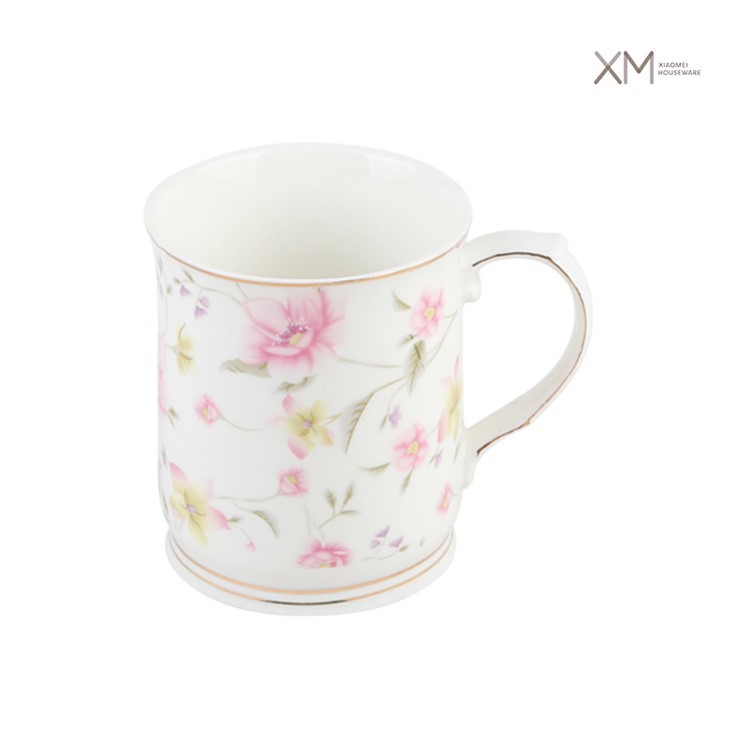
- Pattern: Patterns can add interest and texture to the bowl. Choose patterns that are appropriate for the restaurant's style and decor. For example, a floral pattern can add a romantic and feminine touch to the table setting, while a geometric pattern can add a modern and contemporary look.
- Texture: The texture of the bowl can also enhance the dining experience. Choose bowls with a smooth, polished surface for a sleek and modern look, or bowls with a rough, textured surface for a rustic and organic feel.
- Brand logo: Consider adding the restaurant's brand logo or name to the bowl to enhance brand recognition and create a cohesive look. This can be done through printing, engraving, or embossing.
Durability
Durability is an important factor to consider when choosing bowls for a restaurant. The bowls should be able to withstand the rigors of daily use, including washing, stacking, and handling. Here are some tips for choosing durable bowls:
- Quality materials: Choose bowls made from high-quality materials that are resistant to scratches, chips, and cracks. Porcelain and ceramic bowls are generally more durable than glass bowls, while metal bowls are the most durable of all.
- Thickness: Thicker bowls are generally more durable than thinner bowls. Look for bowls with a thickness of at least 1/8 inch to ensure they can withstand the daily wear and tear of a restaurant environment.
- Glaze: A high-quality glaze can protect the bowl from scratches and stains, and make it easier to clean. Look for bowls with a smooth, even glaze that is free of cracks and bubbles.
- Warranty: Consider purchasing bowls from a supplier that offers a warranty or guarantee. This can provide peace of mind and protect your investment in case the bowls are damaged or defective.
Conclusion
Choosing the right bowls for a restaurant is a crucial decision that can have a significant impact on the dining experience. By considering factors such as material, size, shape, design, and durability, you can select bowls that not only enhance the presentation of the food but also align with the restaurant's brand and menu. As a bowl supplier, I am committed to providing high-quality bowls that meet the needs and preferences of restaurants of all sizes and styles. If you are interested in learning more about our products or would like to discuss your specific requirements, please don't hesitate to contact us. We look forward to working with you to create a memorable dining experience for your guests.
References
- "The Art of Choosing the Right Bowl for Your Restaurant." Restaurant Hospitality, [publication date].
- "How to Choose the Perfect Bowl for Your Dish." Food & Wine, [publication date].
- "The Importance of Bowl Selection in a Restaurant." Hospitality Net, [publication date].