


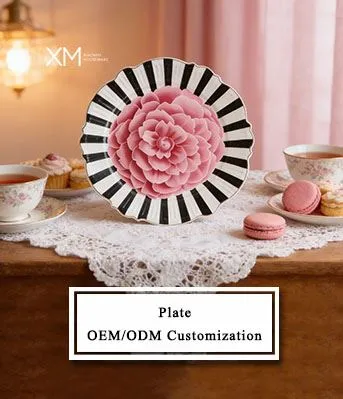




Antique blue porcelain soup plates are not only functional kitchenware but also valuable pieces of art that carry rich cultural heritage. As a supplier of Blue Porcelain Soup Plates, I understand the significance of these beautiful items and the importance of proper care to preserve their beauty and value. In this blog, I'll share some essential tips on how to care for antique blue porcelain soup plates.
Understanding the Nature of Antique Blue Porcelain
Before delving into the care methods, it's crucial to understand the unique characteristics of antique blue porcelain. Blue porcelain, often featuring intricate blue and white patterns, is typically made through a process of underglaze painting. The blue pigment is applied to the porcelain body before glazing and firing, resulting in a durable and vibrant design that is resistant to fading.
Antique blue porcelain soup plates may have been exposed to various environmental factors over the years, which can affect their condition. Factors such as temperature changes, humidity, and improper handling can cause cracks, chips, or discoloration. Therefore, taking proactive steps to protect these plates is essential.
Handling with Care
One of the most important aspects of caring for antique blue porcelain soup plates is handling them with extreme care. When picking up a plate, always support it from the bottom to avoid putting pressure on the edges, which are more prone to chipping. Avoid gripping the plate too tightly, as this can also cause damage.


When stacking the plates, place a soft, non - abrasive material such as felt or cloth between each plate to prevent scratching. It's also advisable to stack the plates in a stable and secure location to prevent them from toppling over. If you need to move a stack of plates, do it slowly and steadily to minimize the risk of accidents.
Cleaning Techniques
Cleaning antique blue porcelain soup plates requires a gentle approach. Start by rinsing the plate under lukewarm water to remove any loose dirt or debris. Avoid using hot water, as sudden temperature changes can cause the porcelain to crack.
For light stains, you can use a mild dish soap and a soft sponge or cloth. Gently scrub the stained area in a circular motion, being careful not to apply too much pressure. Rinse the plate thoroughly to remove all traces of soap.
If the plate has stubborn stains, you can make a paste of baking soda and water. Apply the paste to the stained area and let it sit for a few minutes before gently scrubbing it off. Rinse the plate well after cleaning.
Never use abrasive cleaners, steel wool, or harsh chemicals on antique blue porcelain. These can scratch the surface and damage the delicate glaze. Also, avoid using the dishwasher, as the high - pressure water and harsh detergents can cause significant harm to the plates.
Storage Considerations
Proper storage is key to maintaining the condition of antique blue porcelain soup plates. Store the plates in a cool, dry place away from direct sunlight. Sunlight can cause the colors of the porcelain to fade over time.
You can use a china cabinet or a dedicated storage container with individual compartments to store the plates. Line the compartments with soft padding to prevent the plates from moving around and getting damaged. If you don't have a specialized storage unit, you can wrap each plate in acid - free tissue paper and place them in a sturdy box.
It's also important to monitor the humidity levels in the storage area. High humidity can lead to the growth of mold and mildew, which can damage the porcelain. You can use a dehumidifier to keep the humidity at a stable level.
Displaying the Plates
If you want to display your antique blue porcelain soup plates, there are several things to keep in mind. When using a display case, make sure it is well - ventilated to prevent the buildup of moisture. Avoid placing the plates near heat sources such as radiators or fireplaces, as the heat can cause the porcelain to expand and crack.
When arranging the plates for display, use proper display stands or brackets that are designed for porcelain. These will keep the plates in place and prevent them from falling or getting knocked over. You can also use lighting to enhance the beauty of the plates, but make sure the light is not too intense, as it can cause fading.
Protecting Against Environmental Factors
In addition to handling, cleaning, storage, and display, protecting the antique blue porcelain soup plates from environmental factors is crucial. As mentioned earlier, temperature and humidity fluctuations can be harmful. Try to keep the environment where the plates are located as stable as possible.
If you live in an area with high levels of air pollution, consider using air purifiers to reduce the amount of dust and pollutants in the air. Dust can accumulate on the plates and scratch the surface, so regular dusting is also necessary. Use a soft, dry cloth to gently dust the plates.
Seeking Professional Help
If you notice any significant damage to your antique blue porcelain soup plates, such as large cracks or chips, it's advisable to seek professional help. A professional conservator or restorer has the expertise and tools to repair the plates without causing further damage. They can also provide valuable advice on how to care for the plates in the future.
In conclusion, caring for antique blue porcelain soup plates requires a combination of gentle handling, proper cleaning, appropriate storage, and protection from environmental factors. By following these tips, you can ensure that your antique blue porcelain soup plates remain in excellent condition for generations to come.
As a supplier of Blue Porcelain Soup Plates, we offer a wide range of high - quality products, including Porcelain Round Soup Plate, Underglaze Colour 12 Inch Round Plate Vintage Floral Ceramic Plate, and 14 - inch Oval Ceramic Plate Fish Porcelain Plate With A Retro Blue And White Hand - painted Underglaze Edge. If you are interested in purchasing these beautiful plates or have any questions about their care, please feel free to contact us for a procurement discussion.
References
- "The Care and Restoration of Porcelain" by John Smith
- "Antique Porcelain: A Collector's Guide" by Mary Johnson