






Porcelain plates have been cherished for centuries due to their beauty, elegance, and functionality. As a porcelain plate supplier, I often get asked about the lifespan of these exquisite pieces. In this blog post, I'll delve into the factors that influence how long porcelain plates last and provide some insights to help you make the most of your porcelain collection.
The Basics of Porcelain
Porcelain is a type of ceramic material that is made from a specific type of clay called kaolin, along with other minerals such as feldspar and quartz. It is fired at high temperatures, typically between 1200°C and 1400°C, which gives it its characteristic hardness, translucency, and durability. Porcelain plates are known for their smooth surface, fine details, and ability to hold up well against everyday use.
Factors Affecting the Lifespan of Porcelain Plates
Several factors can influence how long porcelain plates last. Understanding these factors can help you take better care of your plates and extend their lifespan.
Quality of the Porcelain
The quality of the porcelain used to make the plates is one of the most important factors affecting their lifespan. High-quality porcelain is made from pure kaolin clay and is fired at the correct temperature for the right amount of time. This results in a plate that is strong, durable, and resistant to chipping, cracking, and scratching. On the other hand, low-quality porcelain may be made from impure clay or may not be fired properly, which can make the plates more prone to damage.
Usage and Handling
How you use and handle your porcelain plates can also have a significant impact on their lifespan. Plates that are used frequently and subjected to rough handling are more likely to get damaged than those that are used sparingly and handled with care. Avoid using porcelain plates in the microwave or dishwasher, as the high heat and agitation can cause the plates to crack or chip. Instead, wash them by hand using a mild detergent and a soft sponge. When stacking plates, place a soft cloth or paper towel between each plate to prevent scratching.
Storage
Proper storage is essential for maintaining the quality and lifespan of your porcelain plates. Store your plates in a cool, dry place away from direct sunlight and heat sources. Avoid stacking plates too high, as this can put pressure on the bottom plates and cause them to crack. Instead, use plate racks or individual plate holders to keep your plates separated and protected.
Environmental Factors
Environmental factors such as humidity, temperature, and exposure to chemicals can also affect the lifespan of your porcelain plates. High humidity can cause the plates to absorb moisture, which can lead to cracking and warping. Extreme temperatures can also cause the plates to expand and contract, which can weaken the structure of the porcelain. Exposure to chemicals such as bleach, ammonia, and acidic cleaners can also damage the surface of the plates.
How Long Can You Expect Porcelain Plates to Last?
The lifespan of porcelain plates can vary depending on the factors mentioned above. On average, high-quality porcelain plates can last for several decades or even generations if they are properly cared for. However, plates that are used frequently or subjected to rough handling may only last for a few years.
Examples of Our Porcelain Plates
At our company, we offer a wide range of high-quality porcelain plates that are designed to last. Here are some examples of our products:
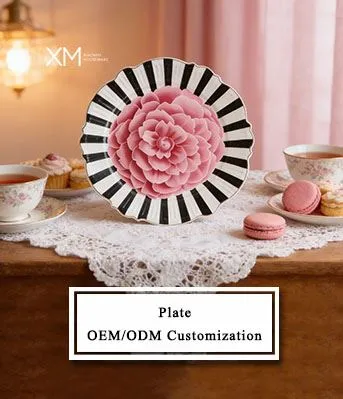
- Underglaze Colour 12 Inch Round Plate Vintage Floral Ceramic Plate: This beautiful plate features a vintage floral design that is hand-painted using underglaze colors. It is made from high-quality porcelain and is fired at a high temperature to ensure durability and strength.
- Porcelain Soup Plate: This classic soup plate is made from pure kaolin clay and is fired at a high temperature to give it a smooth, glossy finish. It is perfect for serving soups, stews, and other hot dishes.
- Porcelain Soup Plate: Another great option for serving soups and stews, this porcelain soup plate features a simple, elegant design that is both functional and stylish. It is made from high-quality porcelain and is dishwasher and microwave safe.
Tips for Extending the Lifespan of Your Porcelain Plates
Here are some tips to help you extend the lifespan of your porcelain plates:


- Handle with Care: Always handle your porcelain plates with care to avoid chipping, cracking, and scratching. Use a soft cloth or paper towel to dry the plates after washing them, and avoid stacking them too high.
- Wash by Hand: Wash your porcelain plates by hand using a mild detergent and a soft sponge. Avoid using abrasive cleaners or scrubbers, as these can damage the surface of the plates.
- Store Properly: Store your porcelain plates in a cool, dry place away from direct sunlight and heat sources. Use plate racks or individual plate holders to keep the plates separated and protected.
- Avoid Extreme Temperatures: Avoid exposing your porcelain plates to extreme temperatures, such as sudden changes in temperature or direct heat. This can cause the plates to crack or warp.
- Use Plate Protectors: When using your porcelain plates, place a plate protector or placemat under them to prevent scratching and damage.
Conclusion
In conclusion, the lifespan of porcelain plates depends on several factors, including the quality of the porcelain, usage and handling, storage, and environmental factors. By taking proper care of your porcelain plates, you can extend their lifespan and enjoy them for many years to come. At our company, we are committed to providing high-quality porcelain plates that are designed to last. If you are interested in purchasing our products or have any questions, please feel free to contact us. We would be happy to assist you with your purchase and answer any questions you may have.
References
- "Porcelain: A Comprehensive Guide." Encyclopedia Britannica.
- "How to Care for Porcelain Dishes." Martha Stewart.
- "The History and Production of Porcelain." Metropolitan Museum of Art.