


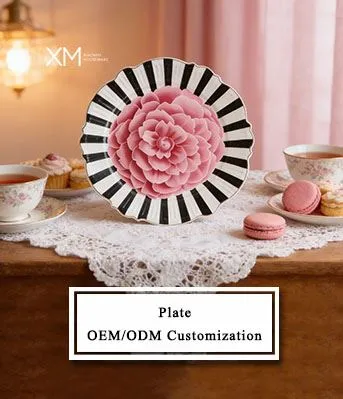



Hey there! I'm a supplier of Ceramic Round Plate, and I've seen my fair share of issues when it comes to storing these beautiful plates. In this blog, I'll share some tips on how to store ceramic round plates to avoid damage.
Why Proper Storage Matters
Ceramic round plates are delicate. They're made of materials that can chip, crack, or break easily. Improper storage can lead to all sorts of problems, from minor scratches to complete breakage. And let's face it, damaged plates aren't just a waste of money; they're also a bummer for your customers. So, taking the time to store them correctly is super important.
Cleaning Before Storage
Before you even think about storing your ceramic round plates, you need to clean them. Dirt, grime, and food particles can not only make your plates look bad but can also cause damage over time. Use a mild dish soap and warm water to clean the plates. Avoid using abrasive sponges or harsh chemicals, as these can scratch the surface of the ceramic.
Once you've cleaned the plates, dry them thoroughly. Water spots can be a real pain to get rid of, and leaving the plates wet can also lead to mold and mildew growth. I usually use a soft, lint - free cloth to dry the plates completely.
Choosing the Right Storage Space
The first step in storing ceramic round plates is finding the right place. You want a spot that's cool, dry, and away from direct sunlight. Sunlight can cause the colors on the plates to fade over time, and humidity can make the plates more prone to damage.

A cabinet or a closet is a great option. Make sure it's not too crowded, as overcrowding can lead to plates knocking against each other and getting damaged. If you don't have a lot of space, you can also use a storage container. Just make sure it's clean and dry before you put the plates in it.
Using Protective Materials
Now, let's talk about protective materials. You don't want your ceramic round plates rubbing against each other or the storage surface. That's where things like plate dividers, felt pads, and bubble wrap come in.
Plate dividers are a must - have. They're usually made of cardboard or plastic and are designed to keep the plates separated. You can buy them at most home goods stores or online. Just place a divider between each plate to prevent them from touching.
Felt pads are also great. You can stick them on the edges of the plates or on the shelves where you're storing the plates. They add a soft cushion and reduce the risk of scratches and chips.
If you're using a storage container, line it with bubble wrap. This will provide an extra layer of protection and absorb any shocks if the container gets bumped.
Stacking the Plates
When it comes to stacking ceramic round plates, you need to be careful. Stack them in a stable way, with the largest plates on the bottom and the smallest on the top. Make sure the plates are centered on top of each other to prevent them from tipping over.
Don't stack the plates too high. If the stack is too tall, it can become unstable and fall over. A good rule of thumb is to stack no more than 5 - 6 plates at a time.
Labeling and Organizing
Labeling your stored plates is a smart move. You can use a label maker or just a piece of tape and a pen. Write down what's on the plate (like the pattern or the set name) and the date you stored it. This will make it easier to find the plates you want when you need them.
Organizing your plates by size, pattern, or set can also be helpful. That way, you can quickly find the plates you're looking for without having to rummage through a bunch of plates.
Handling with Care
Even when the plates are stored, you need to handle them with care. When you're taking a plate out of storage, make sure you have a good grip on it. Hold it by the edges, not the center, as the center is more likely to break.
If you need to move the storage container or cabinet, be gentle. Don't shake or jostle it too much, as that can cause the plates to shift and get damaged.
Checking on the Plates Regularly
Finally, it's a good idea to check on your stored ceramic round plates regularly. Every few months, take a look at them to make sure they're still in good condition. Check for any signs of damage, like chips, cracks, or scratches.
If you notice any damage, take the plate out of storage and assess the situation. You might be able to repair a small chip or crack, but if it's a major break, you might need to replace the plate.
Conclusion
Storing ceramic round plates to avoid damage isn't rocket science, but it does require a little bit of effort. By following these tips, you can keep your plates in great condition for years to come.
If you're in the market for high - quality ceramic round plates, I'm here to help. As a supplier, I offer a wide range of styles and designs to suit your needs. Whether you're a restaurant owner looking to stock up on plates or a collector adding to your collection, I've got you covered.
So, if you're interested in learning more or want to start a procurement discussion, feel free to reach out. Let's work together to find the perfect ceramic round plates for you!
References
- Home Goods Industry Best Practices for Ceramic Storage
- Ceramics Manufacturer's Guide to Proper Plate Care and Storage