





Hey there! As a supplier of white porcelain plates, I'm super excited to take you behind the scenes and show you how these beautiful pieces are made. White porcelain plates are not only functional but also carry a rich history and a touch of elegance. So, let's dive right in!
Step 1: Selecting the Raw Materials
The first step in making white porcelain plates is choosing the right raw materials. We mainly use kaolin, also known as china clay. It's a special type of clay that's super pure and has the right properties for making high - quality porcelain. Kaolin gives the porcelain its white color and helps it withstand high temperatures during firing.
We also add other materials like feldspar and quartz. Feldspar acts as a flux, which means it helps lower the melting point of the clay mixture. Quartz, on the other hand, adds strength and durability to the final product. We source our raw materials from trusted suppliers who ensure the quality and purity of the materials.


Step 2: Preparing the Clay
Once we have the raw materials, it's time to prepare the clay. First, we crush the kaolin, feldspar, and quartz into a fine powder. Then, we mix them with water to form a thick, homogeneous paste. This paste is then passed through a series of filters to remove any impurities or large particles.
After that, we use a process called vacuum de - airation. This removes any air bubbles from the clay, which could cause the plate to crack during firing. The de - aired clay is now ready to be shaped into plates.
Step 3: Shaping the Plates
There are a few different methods we can use to shape the white porcelain plates. One common method is using a potter's wheel. A skilled potter takes a lump of clay and places it on the spinning wheel. By using their hands and tools, they shape the clay into a plate. This method gives a unique, handmade look to the plates.
Another method is using molds. We pour the clay into plaster molds that are shaped like plates. The plaster absorbs the water from the clay, allowing it to take the shape of the mold. After a while, we remove the semi - dry plate from the mold. This method is great for mass - producing plates with consistent shapes and sizes.
Step 4: Trimming and Finishing
Once the plates are shaped, they need a little bit of trimming and finishing. If the plates were made on a potter's wheel, we use a sharp tool to trim the excess clay from the edges and bottom of the plate. This gives the plate a clean, smooth finish.
For plates made in molds, we also need to remove any seams or rough edges. We use sandpaper or other finishing tools to smooth out the surface of the plate. This step is crucial as it not only makes the plate look better but also ensures that it's safe to use.
Step 5: Bisque Firing
After the plates are trimmed and finished, they go through a process called bisque firing. We place the plates in a kiln, which is a special oven for firing ceramics. The kiln is heated to a temperature of around 900 - 1000 degrees Celsius.
This first firing hardens the clay and makes the plates porous. The bisque - fired plates are now strong enough to handle the next steps, such as glazing. Bisque firing also removes any remaining water and organic materials from the clay.
Step 6: Glazing
Glazing is one of the most important steps in making white porcelain plates. A glaze is a thin layer of glass that is applied to the surface of the plate. It not only gives the plate a shiny, smooth finish but also makes it waterproof and easier to clean.
We make our own glazes using a mixture of minerals, such as silica, alumina, and fluxes. For white porcelain plates, we use a clear or white glaze to enhance the natural beauty of the porcelain. We apply the glaze to the bisque - fired plates using different methods, such as dipping, spraying, or brushing.
Step 7: Final Firing
After the plates are glazed, they go through a final firing in the kiln. This time, the kiln is heated to a much higher temperature, usually around 1200 - 1400 degrees Celsius. At this high temperature, the glaze melts and fuses with the porcelain, creating a hard, durable surface.
The final firing also gives the porcelain its characteristic strength and translucency. It takes several hours for the kiln to reach the right temperature and then cool down again. Once the kiln has cooled, we carefully remove the finished white porcelain plates.
Step 8: Quality Control
Before the plates are ready to be shipped out, we conduct a thorough quality control check. We inspect each plate for any cracks, chips, or imperfections in the glaze. We also check the size and shape of the plates to make sure they meet our standards.
Only the plates that pass our strict quality control tests are packed and sent to our customers. We take pride in providing high - quality white porcelain plates that our customers can trust.
Our Product Range
We offer a wide range of white porcelain plates to meet different needs. If you're looking for a classic Porcelain Dinner Plate, we've got you covered. These plates are perfect for everyday use or for special occasions.
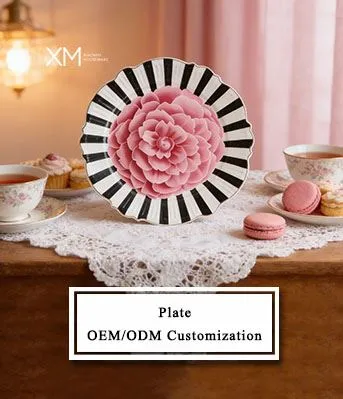
For those who want something a bit more decorative, we have Floral Porcelain Dinner Plate. These plates feature beautiful floral designs that add a touch of elegance to your dining table.
And if you're serving desserts, our Floral Porcelain Dessert Plate is the perfect choice. They're smaller in size and have delicate floral patterns that make your desserts look even more delicious.
Contact Us for Purchasing
If you're interested in purchasing our white porcelain plates, whether it's for your restaurant, home, or for resale, we'd love to hear from you. We offer competitive prices, high - quality products, and excellent customer service. Don't hesitate to reach out to us for more information or to start a purchase negotiation. We're here to help you find the perfect white porcelain plates for your needs.
References
- "Ceramics: Science and Technology" by J. Reed
- "The Potter's Dictionary of Materials and Techniques" by Tony W. Binns
So, that's the whole process of making white porcelain plates. I hope you've enjoyed this behind - the - scenes look at how these beautiful pieces are created. If you have any questions, feel free to ask!