


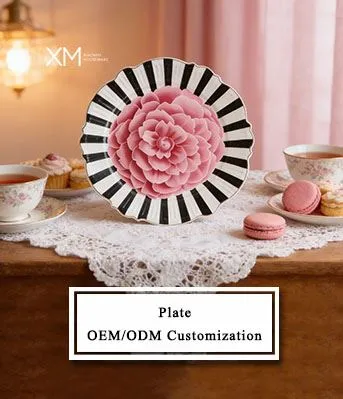




Do porcelain soup plates have a uniform thickness? This is a question that often comes up in the world of porcelain tableware. As a supplier of Porcelain Soup Plate, I've encountered this query numerous times from customers, and it's a topic worth delving into.
The Ideal of Uniform Thickness
In an ideal scenario, porcelain soup plates would have a uniform thickness. A consistent thickness ensures several benefits. Firstly, it contributes to the overall strength and durability of the plate. When the thickness is uniform, the stress distribution across the plate is more even. This means that the plate is less likely to crack or break under normal use. For example, when a hot soup is poured into the plate, a uniformly thick plate can better withstand the thermal stress without developing cracks.
Secondly, a uniform thickness enhances the aesthetic appeal of the porcelain soup plate. It gives the plate a smooth and refined look, which is highly desirable in high - end tableware. The light reflects off the surface of the plate in a more consistent manner, creating a more elegant and professional appearance.
The Reality of Production
However, achieving a perfectly uniform thickness in porcelain soup plates is extremely challenging. The manufacturing process of porcelain involves several steps, each of which can introduce variations in thickness.
The first step is the preparation of the porcelain clay. The clay needs to be mixed thoroughly to ensure a consistent composition. But even with the best mixing techniques, there can be slight differences in the density of the clay in different parts of the batch. When the clay is shaped into a soup plate, these density variations can lead to differences in thickness.
The shaping process itself is another source of non - uniformity. Whether the plate is formed by hand - throwing on a potter's wheel or by using a mold, it's difficult to achieve an exact and consistent thickness. Hand - throwing is a skilled art, and even the most experienced potters may not be able to create a plate with a perfectly uniform thickness. When using a mold, there can be issues such as uneven pressure distribution during the pressing process, which can result in variations in thickness.
Firing is also a crucial stage that can affect the thickness of the porcelain soup plate. During firing, the porcelain undergoes significant physical and chemical changes. Different parts of the plate may heat up and cool down at slightly different rates, causing some areas to shrink more than others. This shrinkage can lead to variations in thickness.
Measuring and Controlling Thickness
To address the issue of non - uniform thickness, we, as a porcelain soup plate supplier, take several measures. We use advanced measuring tools such as calipers to check the thickness of the plates at multiple points during the production process. This allows us to identify any significant variations and take corrective actions.
We also have strict quality control procedures in place. Our quality control team inspects each plate carefully before it leaves the factory. Plates that do not meet our thickness standards are either re - worked or discarded.
Comparison with Other Porcelain Plates
When comparing porcelain soup plates with other types of porcelain plates, such as Porcelain Dinner Plate and Floral Porcelain Dessert Plate, there are some differences in thickness requirements.
Porcelain dinner plates are generally larger in size and may need to be slightly thicker to provide more stability. They are often used to hold a variety of foods, including heavier items like meats and vegetables. A slightly thicker plate can better support the weight without flexing.
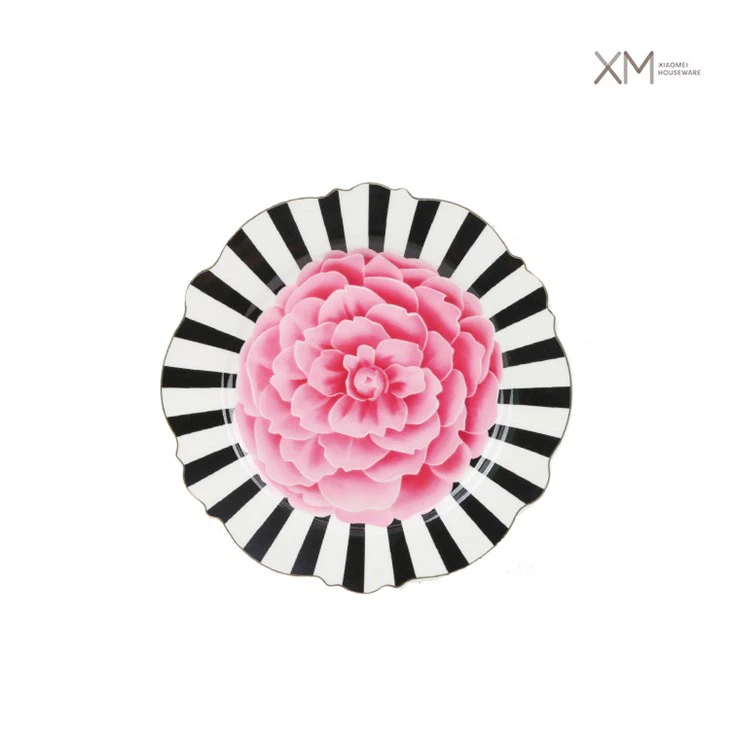

Floral porcelain dessert plates, on the other hand, are usually smaller and more delicate. They may have a thinner profile to enhance their aesthetic appeal and to give a more refined look. However, like soup plates, achieving a uniform thickness in dessert plates is also a challenge.
Impact on Function and Use
The non - uniform thickness of porcelain soup plates can have some impact on their function and use. In terms of heat distribution, a plate with uneven thickness may heat up unevenly. This can be a problem when serving hot soup, as some parts of the soup may cool down faster than others.
From a practical perspective, a plate with significant thickness variations may not sit flat on the table. This can cause spills and make the dining experience less enjoyable. However, in most cases, the variations in thickness are small enough that they do not significantly affect the functionality of the plate.
Customer Expectations and Satisfaction
Customers generally expect porcelain soup plates to have a relatively uniform thickness. They associate a consistent thickness with high quality and durability. As a supplier, we understand these expectations and strive to meet them.
We communicate with our customers about the challenges of achieving a perfectly uniform thickness and explain the measures we take to minimize variations. By being transparent, we can build trust with our customers and ensure their satisfaction.
Conclusion and Call to Action
In conclusion, while porcelain soup plates do not have a perfectly uniform thickness in reality, we, as a supplier, are committed to producing plates with the highest possible level of thickness consistency. We use advanced technology and strict quality control to ensure that our plates meet the standards of our customers.
If you are interested in purchasing high - quality porcelain soup plates, we invite you to get in touch with us for a procurement discussion. We can provide you with more detailed information about our products, including their thickness specifications and quality control measures.
References
- "Porcelain Manufacturing: A Comprehensive Guide", published by a leading ceramics industry research institute.
- "The Art and Science of Porcelain Tableware", an academic paper on the production and quality control of porcelain plates.