





Hey there! As a supplier of ceramic cups and saucers, I've often been asked whether these ceramic pieces have a different feel compared to other materials. Well, let me tell you, they absolutely do! In this blog, I'll dive into the unique sensations that ceramic cups and saucers offer and how they stack up against other common materials.
First off, let's talk about the tactile experience. When you pick up a ceramic cup and saucer, the first thing you notice is the smoothness of the surface. Ceramic is fired at high temperatures, which results in a hard, glazed finish that feels incredibly silky to the touch. Unlike some plastics or metals that can feel cold and hard, ceramic has a bit of a warm - like quality, especially if it's been sitting in a room for a while. It's like holding a piece of art that's also functional.
The weight of ceramic cups and saucers is another factor. They're not too heavy, but they have a substantial heft that gives you a sense of quality and durability. You don't have to worry about them feeling flimsy like some paper or thin plastic cups. When you hold a ceramic cup, you feel like you're in control, and it just fits nicely in your hand. The shape of ceramic cups is often ergonomically designed, with smooth curves that contour to your fingers. This makes it comfortable to hold for long periods, whether you're sipping your morning coffee or having an afternoon tea.
Now, let's compare ceramic to other materials. Take glass, for example. Glass cups are transparent, which can be cool for seeing your beverage, but they lack the warmth and texture that ceramic provides. Glass is also more brittle and can break easily if dropped. In contrast, ceramic is relatively sturdy. While it can break if it takes a hard enough hit, it's less likely to shatter into a million pieces like glass.
Plastic cups are lightweight and inexpensive, but they often have a cheap feel to them. The surface can be rough or sticky, and they don't have the same aesthetic appeal as ceramic. Plastic also has a tendency to absorb odors and flavors over time, which can affect the taste of your drink. Ceramic, on the other hand, is non - porous and doesn't absorb these unwanted elements, so your coffee or tea always tastes fresh.
Metal cups, like stainless steel or aluminum, are durable and great for outdoor use. However, they can get really hot when filled with a hot beverage, and it can be uncomfortable to hold without a sleeve. Ceramic cups, due to their insulating properties, stay cooler on the outside while keeping your drink hot inside. This means you can enjoy your hot drink without burning your fingers.
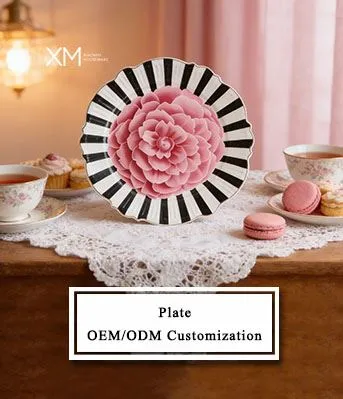
Another aspect where ceramic shines is in its aesthetic value. Ceramic cups and saucers come in a wide variety of colors, patterns, and designs. You can find everything from simple, minimalist styles to elaborate, hand - painted masterpieces. Each piece is unique, with its own personality. Whether you prefer a rustic, earthy look or a modern, sleek design, there's a ceramic cup and saucer out there for you. You can check out our Unique Ceramic Cup and Saucer collection to see some of the amazing options we have.
The sound that ceramic makes is also quite distinctive. When you clink a ceramic cup against a saucer or another ceramic piece, it produces a soft, melodious tone. It's a pleasant sound that adds to the overall experience of having a cup of tea or coffee. In comparison, metal cups can make a harsh, clanging noise, and plastic cups don't really make much of a sound at all.
From a cultural perspective, ceramic cups and saucers have a long history. They've been used for centuries in many different cultures around the world. In Asia, for example, ceramic tea sets are an important part of tea - drinking ceremonies. The craftsmanship and attention to detail in these traditional ceramic pieces are truly remarkable. Owning a ceramic cup and saucer is like owning a piece of history and culture.
In terms of environmental impact, ceramic is a more sustainable option compared to many other materials. While it does require energy to produce, it's made from natural materials like clay, which are abundant and renewable. Plastic cups are often single - use and end up in landfills, causing environmental problems. Metal cups, although recyclable, require a lot of energy to extract and process the raw materials. Ceramic, on the other hand, can last for a long time if properly cared for, reducing the need for frequent replacements.
As a supplier of ceramic cups and saucers, I've seen firsthand how much people appreciate the unique feel and qualities of these products. Whether you're a casual coffee drinker or a tea connoisseur, a ceramic cup and saucer can enhance your drinking experience.
If you're interested in adding some high - quality ceramic cups and saucers to your collection or are a business looking to stock up, I'd love to talk to you. We have a wide range of products to meet your needs, from classic designs to the latest trends. Contact me to start a procurement discussion, and let's find the perfect ceramic cups and saucers for you.

References
- "The Art of Ceramics: A Global History" by Richard A. Coutts
- "Tea Time: The History and Culture of Tea Drinking" by Jane Pettigrew