





Can vintage porcelain bowls be used for making soups?
As a supplier of Vintage Porcelain Bowls, I often get asked whether these beautiful pieces can be used for making soups. It's a valid question, considering the unique nature of vintage porcelain and the specific requirements of soup - making. In this blog, we'll explore the various aspects of using vintage porcelain bowls for soup preparation, including their safety, suitability, and some practical considerations.
Safety First: Chemical and Heat Resistance
One of the primary concerns when using any dishware for cooking or food preparation is safety. Vintage porcelain bowls were crafted during different eras, and the manufacturing processes varied over time. Early porcelain production might have used materials that could potentially be harmful when exposed to high heat or certain food substances.
In modern times, porcelain that is considered food - safe is tested for chemical leaching. It is made to withstand normal cooking temperatures without releasing toxic substances into the food. However, vintage porcelain may not have been held to the same strict standards. Some older porcelain pieces might have been decorated with lead - based glazes. Lead is a heavy metal that can be extremely harmful if ingested, and high - temperature use like soup - making could increase the risk of lead leaching into the soup.
To ensure safety, it's advisable to have your vintage porcelain bowls tested for lead. There are affordable lead - testing kits available in the market that can give you a quick indication of the presence of lead. If the test shows that the bowls are lead - free, they are more likely to be safe for soup - making.
In terms of heat resistance, porcelain is generally a good heat - retaining material. However, vintage porcelain bowls may have some impurities or small cracks that could cause them to shatter under sudden or extreme temperature changes. When making soups, you often pour hot or boiling liquids into the bowl. To prevent thermal shock, it's best to pre - warm the bowl by rinsing it with warm water before adding the hot soup ingredients.
Suitability for Soup - Making
Vintage porcelain bowls come in various shapes, sizes, and designs. From a practical perspective, larger bowls are more suitable for making soups, especially if you're preparing a big batch for a family or a gathering. Look for bowls with a wide opening and a relatively deep base. This allows for easy stirring and ladling of the soup.
The smooth, non - porous surface of porcelain is also beneficial for soup - making. It doesn't absorb flavors or odors from the soup, which means you can use the same bowl to make different types of soups without worrying about cross - contamination. Additionally, porcelain is non - reactive, so it won't react with acidic ingredients often found in soups, such as tomatoes or lemon juice.
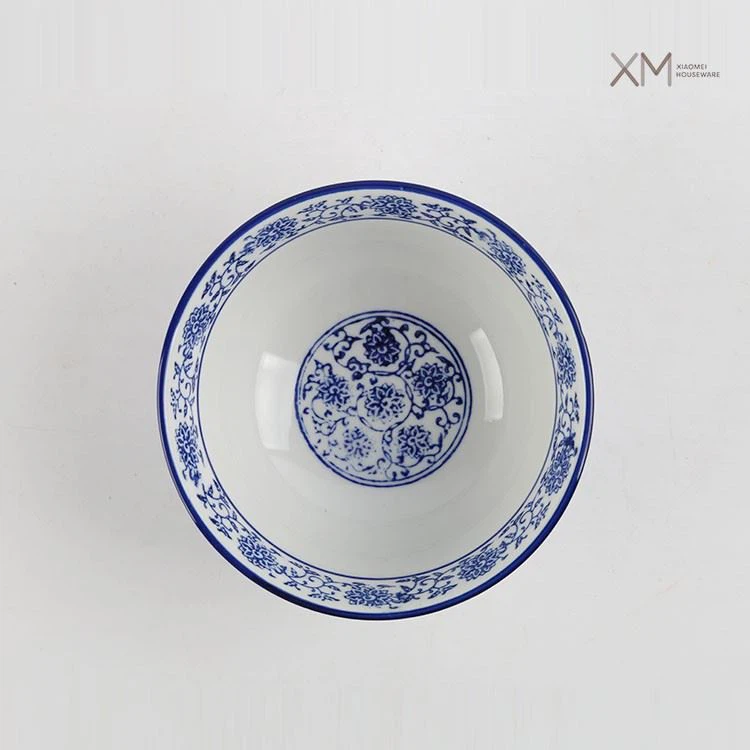
From an aesthetic point of view, vintage porcelain bowls add a touch of elegance and charm to the soup - making process. Each bowl has its own unique pattern and history, which can enhance the overall dining experience. Whether it's a Vintage Floral Porcelain Bowl with delicate floral motifs or a Vintage Floral Blue And White Porcelain Bowl with classic blue - and - white designs, these bowls can turn a simple bowl of soup into a visually appealing dish.
Practical Considerations
While vintage porcelain bowls can be used for soup - making, there are some practical aspects to keep in mind. Firstly, porcelain is a fragile material. It can easily chip or break if dropped or mishandled. So, when using vintage porcelain bowls for soup - making, handle them with care. Avoid using metal utensils in the bowls, as they can scratch the porcelain surface, making it more prone to damage. Instead, opt for wooden or silicone utensils.
Cleaning vintage porcelain bowls after soup - making also requires special attention. Don't soak the bowls for too long, as prolonged exposure to water can sometimes cause the porcelain to absorb moisture, leading to potential damage over time. Wash the bowls by hand using a mild dish soap and a soft sponge. Avoid using abrasive cleaners, as they can scratch the porcelain and remove the delicate decorative patterns.
Another factor to consider is the compatibility of vintage porcelain bowls with modern cooking appliances. If you plan to heat the soup in the bowl in a microwave or oven, check the manufacturer's instructions or do some research on the heat - resistance limits of the specific type of porcelain. Not all vintage porcelain bowls are suitable for use in these appliances, and using them incorrectly can cause the bowl to crack or break.
Advantages of Using Vintage Porcelain Bowls for Soup - Making
There are several advantages to using vintage porcelain bowls for making soups. Firstly, as mentioned earlier, they offer a unique and aesthetically pleasing dining experience. The intricate designs and patterns on vintage porcelain bowls can make a simple bowl of homemade soup feel like a gourmet meal.
Secondly, porcelain is a great heat - retaining material. This means that your soup will stay hot for longer periods, allowing you to enjoy a warm and comforting meal at a leisurely pace. The smooth surface of porcelain also makes it easy to clean up after soup - making, compared to some other materials that may absorb stains or odors.
Where to Find Vintage Porcelain Bowls for Soup - Making
As a supplier of vintage porcelain bowls, I offer a wide range of options for those interested in using these bowls for soup - making. You can check out our collection of Floral Porcelain Bowl, which includes both classic and modern - inspired designs.

If you're looking to start a collection of vintage porcelain bowls for soup - making or for display purposes, I'm here to assist you. Whether you have specific design preferences or are looking for bowls in a particular size, I can help you find the perfect pieces. If you're interested in purchasing or have any questions about our Vintage Porcelain Bowls, please feel free to reach out. We can discuss the details, such as pricing, shipping, and the availability of specific items.
In conclusion, vintage porcelain bowls can indeed be used for making soups, provided that you take the necessary safety precautions and consider the practical aspects. They offer a unique combination of aesthetic appeal and functionality, making them a great addition to your kitchenware collection. Don't miss the opportunity to enhance your soup - making experience with these beautiful and timeless pieces.
References
- "Porcelain: History, Production, and Uses" - A comprehensive book on the history and properties of porcelain.
- "Safe Use of Vintage Dishware" - An article from a food - safety magazine that discusses the safety considerations of using vintage porcelain in food preparation.