


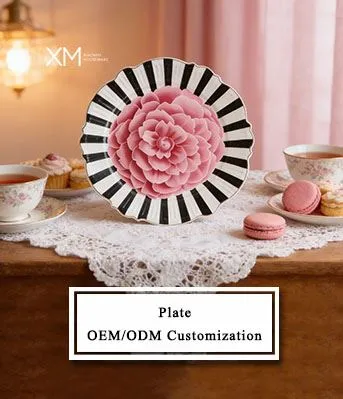




As a supplier of vintage porcelain bowls, I often get asked whether it's suitable to use these beautiful pieces for serving fruits. It's a question that combines practicality with aesthetics, and the answer isn't as straightforward as one might think.
The Allure of Vintage Porcelain Bowls
Vintage porcelain bowls are not just ordinary containers; they are pieces of art with a rich history. Each bowl tells a story, reflecting the craftsmanship and design trends of its era. The delicate patterns, the smooth glaze, and the unique shapes make them a captivating addition to any table setting. For instance, the Vintage Floral Blue And White Porcelain Bowl showcases intricate floral designs that are both elegant and timeless. These bowls can transform a simple fruit display into a visually stunning centerpiece, adding a touch of sophistication to your dining experience.
Safety Considerations
Before using a vintage porcelain bowl for serving fruits, it's crucial to consider safety. One of the primary concerns is lead and other heavy metal content. Older porcelain bowls, especially those made before the 1970s, may have been glazed with lead-based paints. When these bowls come into contact with acidic foods like fruits, the lead can leach into the food, posing a health risk.
To determine if a vintage porcelain bowl is safe for food contact, you can have it tested by a professional laboratory. There are also at-home testing kits available, although they may not provide the same level of accuracy. If the bowl tests negative for lead and other harmful substances, it's generally safe to use for serving fruits. However, if the bowl shows signs of wear, such as chipping or cracking, it's best to avoid using it for food, as these areas can increase the risk of lead exposure.
Hygiene and Cleaning
Maintaining proper hygiene is essential when using any dishware for serving food. Vintage porcelain bowls require special care to ensure they remain clean and safe. Unlike modern porcelain, vintage pieces may have more porous surfaces, which can trap bacteria and food particles.


To clean a vintage porcelain bowl, start by rinsing it with warm water to remove any loose debris. Then, use a mild dish soap and a soft sponge to gently clean the bowl. Avoid using abrasive cleaners or scrubbers, as they can scratch the glaze and damage the bowl. After cleaning, rinse the bowl thoroughly to remove all traces of soap.
It's also important to dry the bowl completely before storing it. Moisture can cause mold and mildew to grow, which can damage the porcelain and pose a health hazard. Store the bowl in a cool, dry place, away from direct sunlight and extreme temperatures.
Compatibility with Fruits
In addition to safety and hygiene, you need to consider how the vintage porcelain bowl will interact with the fruits. Some fruits, such as citrus fruits and berries, are acidic and can react with certain types of porcelain glazes. This reaction can cause the glaze to deteriorate over time, and in some cases, it can even affect the taste of the fruits.
To minimize the risk of a reaction, it's best to line the bowl with a non-reactive material, such as a plastic or silicone liner. This will create a barrier between the fruits and the porcelain, protecting both the bowl and the fruits. Alternatively, you can serve the fruits on a plate or in a separate container and place them inside the vintage porcelain bowl for display purposes.
Aesthetic Appeal
One of the main reasons people choose to use vintage porcelain bowls for serving fruits is their aesthetic appeal. The unique designs and colors of vintage porcelain can enhance the beauty of the fruits and create a visually appealing presentation. For example, a Vintage Porcelain Bowl with a bold pattern can add a pop of color to a fruit salad, while a White Porcelain Bowl can provide a classic and elegant backdrop for fresh strawberries or grapes.
When arranging the fruits in the bowl, consider the colors, shapes, and sizes of the fruits. Create a visually balanced composition by mixing different types of fruits and arranging them in an attractive pattern. You can also add decorative elements, such as fresh flowers or mint leaves, to enhance the overall aesthetic.
Conclusion
In conclusion, using a vintage porcelain bowl for serving fruits can be a great way to add a touch of elegance and history to your dining experience. However, it's important to take the necessary precautions to ensure safety, hygiene, and compatibility. By having the bowl tested for lead, cleaning it properly, and taking steps to prevent a reaction with the fruits, you can enjoy the beauty of vintage porcelain while serving delicious and healthy fruits.
If you're interested in purchasing a vintage porcelain bowl for serving fruits or other purposes, I invite you to explore our extensive collection of Vintage Porcelain Bowls. Our bowls are carefully selected for their quality, beauty, and historical significance. We offer a wide range of styles and designs to suit every taste and budget.
If you have any questions or would like to discuss your specific needs, please don't hesitate to contact us. We're here to help you find the perfect vintage porcelain bowl for your home or business.
References
- "Lead in Ceramics and Glassware: A Health Hazard?" U.S. Food and Drug Administration.
- "How to Clean Vintage Porcelain." The Spruce Crafts.
- "Fruit and Acidic Foods: How They Affect Dishware." Food Safety Magazine.