





Can I use a ceramic round plate for serving hot food?
As a supplier of Ceramic Round Plates, I often get asked whether these plates are suitable for serving hot food. It's a valid question, considering the importance of safety and functionality when it comes to tableware. In this blog post, I'll delve into the science behind using ceramic round plates for hot food, explore their advantages and limitations, and provide some practical tips for using them effectively.
The Science of Ceramics and Heat
Ceramics are made from clay and other natural materials that are fired at high temperatures. This process gives ceramics their characteristic hardness, durability, and heat resistance. When it comes to serving hot food, the key factor is the thermal conductivity of the material. Thermal conductivity refers to the ability of a material to transfer heat. Materials with high thermal conductivity, such as metals, transfer heat quickly, while materials with low thermal conductivity, such as ceramics, transfer heat more slowly.
Ceramic round plates have relatively low thermal conductivity, which means they can retain heat for a longer period of time. This is beneficial for serving hot food, as it helps to keep the food warm for a longer time. However, it also means that the plate may take longer to cool down after being heated. This is something to keep in mind when handling hot ceramic plates, as they can remain hot to the touch for a while.
Advantages of Using Ceramic Round Plates for Hot Food
There are several advantages to using ceramic round plates for serving hot food. Firstly, as mentioned earlier, ceramic plates have low thermal conductivity, which helps to keep the food warm. This is particularly useful for dishes that are meant to be served hot, such as soups, stews, and casseroles.
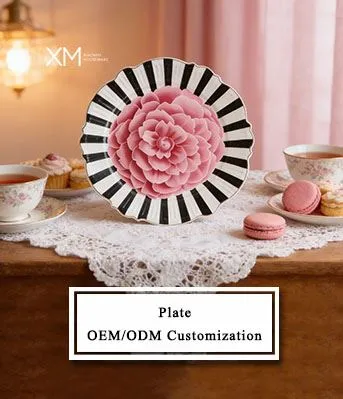
Secondly, ceramic plates are aesthetically pleasing. They come in a wide range of colors, patterns, and designs, which can add a touch of elegance to your table setting. Whether you're hosting a formal dinner party or a casual family meal, ceramic round plates can enhance the overall dining experience.
Thirdly, ceramic plates are durable and long-lasting. They are resistant to scratches, chips, and stains, which makes them ideal for everyday use. With proper care and maintenance, ceramic plates can last for many years, making them a cost-effective investment.
Limitations of Using Ceramic Round Plates for Hot Food
While ceramic round plates have many advantages, they also have some limitations. One of the main limitations is that they can be prone to cracking or breaking if they are exposed to sudden changes in temperature. For example, if you place a hot ceramic plate directly on a cold surface, such as a marble countertop, it may crack due to the thermal shock. To avoid this, it's important to allow the plate to cool down gradually before placing it on a cold surface.
Another limitation is that ceramic plates can be heavy, especially if they are large or thick. This can make them difficult to handle, especially for people with limited strength or mobility. If you're using ceramic plates for serving hot food, it's important to use caution when handling them to avoid dropping or spilling the food.


Tips for Using Ceramic Round Plates for Hot Food
To ensure that you get the most out of your ceramic round plates when serving hot food, here are some practical tips:
- Preheat the plates: Before serving hot food, preheat the ceramic plates in the oven at a low temperature (around 200°F or 93°C) for a few minutes. This will help to keep the food warm for a longer time.
- Use trivets or heat pads: To protect your tabletop from heat damage, use trivets or heat pads under the ceramic plates. This will also help to prevent the plates from slipping or sliding.
- Avoid sudden temperature changes: As mentioned earlier, ceramic plates can crack or break if they are exposed to sudden changes in temperature. To avoid this, allow the plates to cool down gradually before placing them in the dishwasher or storing them.
- Handle with care: Ceramic plates are fragile, so it's important to handle them with care. Avoid dropping or banging the plates, and use gentle cleaning methods to avoid scratching or damaging the surface.
Conclusion
In conclusion, ceramic round plates are a great option for serving hot food. They have low thermal conductivity, which helps to keep the food warm, and they are aesthetically pleasing and durable. However, they also have some limitations, such as being prone to cracking or breaking if they are exposed to sudden changes in temperature. By following the tips outlined in this blog post, you can ensure that you get the most out of your ceramic round plates and enjoy a safe and enjoyable dining experience.
If you're interested in purchasing Ceramic Round Plates, Ceramic Round Plate we offer a wide range of high-quality ceramic plates that are perfect for serving hot food. We also have White Porcelain Plate and Porcelain Round Soup Plate options available. If you have any questions or would like to discuss your specific needs, please don't hesitate to contact us. We look forward to working with you!
References
- "Ceramics: Properties and Applications." Encyclopedia Britannica.
- "Thermal Conductivity of Materials." Engineering ToolBox.
- "Tips for Using Ceramic Tableware." The Spruce Eats.