





As a plate supplier, I often get asked the question, "Can I put a plate in the oven?" It's a valid concern, especially when you're looking to use your plates for baking, roasting, or keeping food warm. In this blog post, I'll delve into this question, providing you with the information you need to make an informed decision.
Understanding Plate Materials
The first thing to consider when deciding whether to put a plate in the oven is the material it's made from. Different materials have different heat tolerance levels, and using the wrong plate in the oven can lead to cracking, shattering, or even fires.
Ceramic Plates
Ceramic plates are a popular choice for many households due to their aesthetic appeal and durability. However, not all ceramic plates are oven-safe. Some ceramic plates are coated with a glaze that can release harmful chemicals when heated to high temperatures.
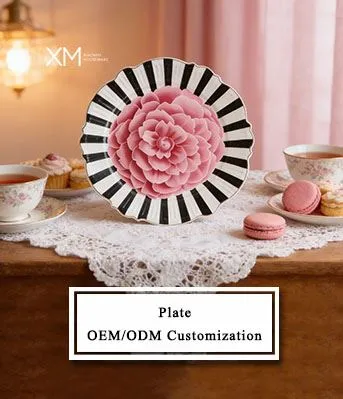
If you're unsure whether your ceramic plate is oven-safe, check the manufacturer's instructions. Many ceramic plates are labeled as oven-safe up to a certain temperature. For example, Underglaze Colour 12 Inch Round Plate Vintage Floral Ceramic Plate is designed to withstand high temperatures, making it suitable for oven use.
Porcelain Plates
Porcelain plates are known for their delicate appearance and high heat resistance. They are typically made from a combination of kaolin clay, feldspar, and quartz, which gives them their strength and durability. Most porcelain plates are oven-safe and can be used in temperatures up to 500°F (260°C).
We offer a variety of porcelain plates, including Porcelain Soup Plate and Blue Porcelain Dessert Plate, that are perfect for oven use. These plates are not only oven-safe but also dishwasher-safe, making them convenient for everyday use.
Glass Plates
Glass plates are another common option for oven use. They are transparent, which allows you to monitor the cooking process, and they are easy to clean. However, not all glass plates are suitable for the oven. You should look for glass plates that are specifically labeled as oven-safe, such as those made from borosilicate glass. These plates can withstand rapid temperature changes without cracking or shattering.
Stoneware Plates
Stoneware plates are made from a denser clay than earthenware and are fired at a higher temperature, which makes them more durable and resistant to scratches and chips. They are often glazed, which gives them a smooth, shiny finish. Most stoneware plates are oven-safe, but it's important to check the manufacturer's instructions to be sure. Stoneware plates can generally withstand temperatures up to 450°F (232°C).
Factors Affecting Oven Safety
In addition to the plate material, there are several other factors that can affect whether a plate is safe to use in the oven.
Plate Thickness
Thicker plates are generally more resistant to heat and thermal shock than thinner plates. A thick plate can distribute heat more evenly, reducing the risk of cracking or shattering. When choosing a plate for oven use, look for one that is at least 1/4 inch thick.
Plate Design
The design of the plate can also affect its oven safety. Plates with intricate patterns or decorations may have areas that are more prone to cracking or chipping when heated. Additionally, plates with handles or other attachments may not be suitable for oven use, as these parts may not be able to withstand the high temperatures.
Temperature and Duration
The temperature and duration of the oven cycle are crucial factors. Exceeding the recommended temperature for your plate can cause irreversible damage. Most oven - safe plates can handle temperatures up to 350 - 500°F, but it's essential to follow the manufacturer's guidelines. Also, prolonged exposure to high heat can take a toll on the plate, so try to limit the cooking time as much as possible without compromising your recipe.
Preheating
Preheating the oven with the plate inside is a common mistake. The sudden change in temperature can cause thermal shock, leading to cracks. Always preheat the oven first and then place the plate gently inside. If you need to move a heated plate, use proper insulation like heat - resistant gloves.
Tips for Using Plates in the Oven
If you've determined that your plate is oven-safe, here are some tips to ensure a safe and successful cooking experience:


Preheat the Oven
Always preheat the oven before placing the plate inside. This helps to prevent thermal shock, which can cause the plate to crack or shatter.
Use a Baking Sheet
If you're using a plate with a low rim or no rim, place it on a baking sheet to catch any spills or drips. This will also help to protect the oven from stains and damage.
Avoid Rapid Temperature Changes
When removing the plate from the oven, do not place it on a cold surface or run it under cold water immediately. This can cause the plate to crack due to thermal shock. Instead, let the plate cool down gradually on a heat-resistant surface.
Check the Plate Regularly
While the plate is in the oven, check it regularly for any signs of damage or cracking. If you notice any problems, remove the plate from the oven immediately and do not use it again.
Our Plate Offerings for Oven Use
As a plate supplier, we take pride in offering a wide range of oven - safe plates to meet your needs. Our Porcelain Soup Plate is not only ideal for serving hot soups but can also be used in the oven to reheat them. The high - quality porcelain ensures even heat distribution, so your soup will be heated thoroughly without any hot spots.
Our Porcelain Dinner Plate is perfect for baking casseroles or roasting vegetables. Its sturdy construction can withstand the high temperatures of the oven, and its smooth surface makes it easy to clean.
Contact for Purchase and Inquiry
If you're interested in purchasing our oven - safe plates or have any questions about their use, we encourage you to contact us for a detailed discussion. Our team of experts is ready to assist you in choosing the right plates for your specific needs. Whether you're a home cook looking to expand your kitchenware collection or a business owner in need of bulk orders, we can offer you the best solutions.
References
- "The Science of Ceramics and Their Heat Resistance", Journal of Materials Science.
- "Safe Use of Glassware in Kitchen Appliances", Home Appliance Research Foundation.
- "Porcelain: Properties and Applications", International Journal of Porcelain Technology.