


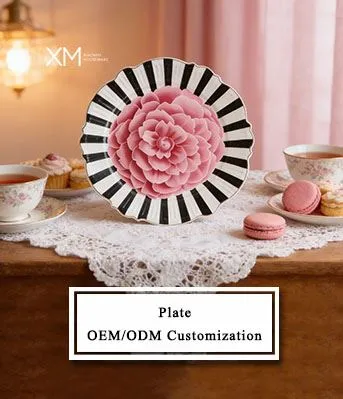




Can ceramic plates be painted on? This is a question that often pops up in the minds of both artists and consumers looking to add a personal touch to their tableware. As a ceramic plate supplier, I've had the privilege of exploring this topic in depth and witnessing the incredible possibilities that ceramic plate painting offers.
The Feasibility of Painting on Ceramic Plates
Ceramic plates are indeed paintable. The porous nature of ceramic provides an ideal surface for paint adhesion. However, not all ceramic plates are created equal when it comes to painting. The type of ceramic, its glaze, and the firing process all play crucial roles in determining how well the paint will adhere and how long the painted design will last.
There are two main types of ceramic plates: glazed and unglazed. Unglazed ceramic plates are more porous and generally easier to paint on because the paint can soak into the surface, creating a strong bond. Glazed ceramic plates, on the other hand, have a smooth, non - porous surface that requires special preparation to ensure the paint adheres properly.
Types of Paint for Ceramic Plates
When it comes to painting ceramic plates, there are several types of paint to choose from:
- Acrylic Paint: Acrylic paint is a popular choice for painting ceramic plates. It is easy to work with, dries quickly, and comes in a wide range of colors. Acrylic paint can be used on both glazed and unglazed ceramic plates. However, it is important to note that acrylic paint on ceramic plates may not be as durable as other types of paint, especially if the plates are used for food. If you plan to use the painted plates for food, make sure to use food - safe acrylic paint.
- Enamel Paint: Enamel paint is a more durable option for painting ceramic plates. It creates a hard, glossy finish that is resistant to scratches and wear. Enamel paint requires a curing process, usually by baking the painted plate in an oven at a specific temperature for a certain period of time. This process helps the paint bond to the ceramic surface and ensures its long - term durability.
- Glass and Ceramic Paint: This type of paint is specifically formulated for use on glass and ceramic surfaces. It offers excellent adhesion and durability, and it can withstand high temperatures. Glass and ceramic paint often requires a firing process in a kiln, which gives the painted design a professional and long - lasting finish.
Preparing the Ceramic Plate for Painting
Before you start painting, it is essential to prepare the ceramic plate properly. For unglazed ceramic plates, you can simply clean the surface with a mild detergent and water to remove any dirt or debris. For glazed ceramic plates, you need to take a few extra steps:
- Sand the Surface: Use fine - grit sandpaper to gently sand the glazed surface of the plate. This will create a rough texture that helps the paint adhere better.
- Clean the Plate: After sanding, wash the plate with a mild detergent and water to remove any dust from sanding. Dry the plate thoroughly before painting.
Painting Techniques
Once the plate is prepared, you can start applying the paint. Here are some common painting techniques:


- Brushing: Brushing is the most basic and straightforward painting technique. Use a fine - tipped brush for detailed work and a larger brush for covering larger areas. Make sure to apply the paint in thin, even layers to avoid drips and unevenness.
- Sponging: Sponging is a great technique for creating a textured or blended effect. Dip a sponge into the paint and gently press it onto the plate. You can use different colors of paint to create a unique and interesting pattern.
- Stenciling: Stenciling is a popular technique for creating consistent and repeatable designs. Place a stencil on the plate and use a brush or sponge to apply the paint over the stencil. Remove the stencil carefully to reveal the design.
Curing and Sealing the Painted Plate
After painting, the plate needs to be cured to ensure the paint sets properly. The curing process depends on the type of paint used:
- Acrylic Paint: If you used acrylic paint, you can let the paint dry naturally for 24 - 48 hours. For added durability, you can apply a clear acrylic sealer over the painted design.
- Enamel Paint: Enamel paint usually requires baking in an oven. Follow the manufacturer's instructions for the specific temperature and time required for curing.
- Glass and Ceramic Paint: Glass and ceramic paint typically needs to be fired in a kiln. This process gives the painted design a professional and long - lasting finish.
Using Painted Ceramic Plates
Painted ceramic plates can be used in a variety of ways. They can be used as decorative items, such as wall art or centerpieces. If you used food - safe paint, the plates can also be used for serving food. However, it is important to note that even food - safe painted plates should not be used in the microwave or dishwasher, as the high heat and harsh chemicals can damage the paint.
Our Product Range
At our company, we offer a wide variety of ceramic plates that are perfect for painting. Whether you are an artist looking for a blank canvas or a consumer wanting to add a personal touch to your tableware, our plates are of high quality and suitable for various painting techniques.
Check out some of our popular products:
- Chip & Dip Set W/.6 Forks On Revolving Wooden(mdf) Tray: This unique set is not only functional but also provides an interesting surface for creative painting.
- Bone China Tableware China Plate Dessert Plate Gold Rim Gold Decal: Our bone china plates are delicate and elegant, and they can be transformed into beautiful works of art with the right paint and technique.
- White Porcelain Bowl: The smooth surface of our white porcelain bowls offers a great base for painting, allowing you to create stunning designs.
Conclusion
In conclusion, ceramic plates can definitely be painted on, offering endless creative possibilities. With the right type of paint, proper preparation, and the right techniques, you can transform a plain ceramic plate into a unique and personalized piece of art. Whether you are using the painted plates for decoration or for serving food, the key is to choose the appropriate materials and follow the correct procedures.
If you are interested in purchasing our ceramic plates for painting or have any questions about our products, we encourage you to contact us for a purchase negotiation. We are committed to providing high - quality products and excellent customer service.
References
- "Ceramic Painting Basics" by Jane Smith, Ceramic Arts Monthly
- "The Art of Painting on Glass and Ceramic" by John Doe, Art in Context Magazine
- Manufacturer's instructions for various types of ceramic paint