





Hey there! As a supplier of White Porcelain Bowl, I often get asked about the potential health risks associated with using these beautiful bowls. So, I thought I'd sit down and share what I've learned over the years.
First off, let's talk about what white porcelain bowls are made of. White porcelain is a type of ceramic that's fired at a high temperature, usually around 1,200 to 1,400 degrees Celsius. This high - temperature firing process makes the porcelain hard, durable, and non - porous. The main ingredients of porcelain are kaolin clay, feldspar, and quartz. These are all natural materials, and in their pure form, they're generally safe for use in food - contact items.
One of the big concerns people have is lead and cadmium leaching. Lead and cadmium are heavy metals that can be harmful to human health, especially if ingested over a long period. In the past, some ceramic products, including porcelain bowls, were made with glazes that contained lead or cadmium. These metals were used to make the glazes more colorful and shiny. However, in many countries, there are strict regulations in place to limit the amount of lead and cadmium in ceramic products intended for food use.
As a responsible supplier, I make sure that all our White Porcelain Bowl meet these safety standards. We source our materials from reliable suppliers and have our products tested regularly to ensure that the levels of lead and cadmium are well below the permitted limits. In fact, modern manufacturing techniques have made it possible to produce white porcelain bowls without using these harmful metals at all.
Another aspect to consider is the non - stick properties of porcelain bowls. Some people worry that if there are any scratches or chips on the surface of the bowl, it could harbor bacteria. While it's true that any damaged surface can potentially trap dirt and germs, porcelain is relatively easy to clean. You can simply wash it with hot, soapy water, and most of the bacteria will be removed. If you're really concerned, you can also run it through the dishwasher, which uses high - temperature water and detergents to sanitize the bowl.
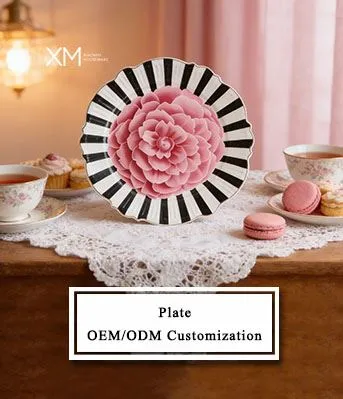
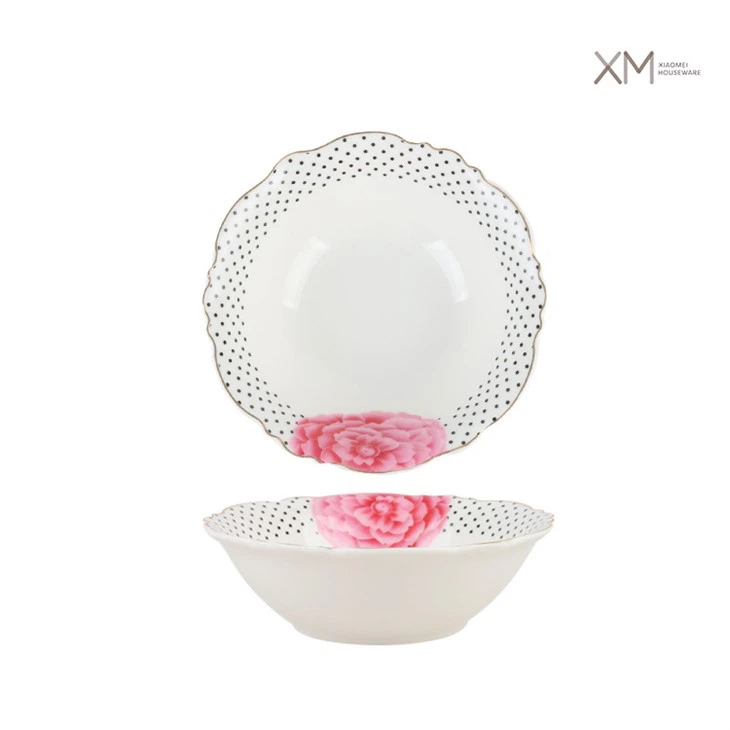
Now, let's touch on the aesthetic side. We also offer Floral Porcelain Bowl and Vintage Porcelain Bowl. These bowls often have more elaborate designs and colors. But again, we ensure that the pigments and glazes used are safe for food contact. The floral patterns are usually applied using food - safe inks or glazes that have been tested for safety.

When it comes to vintage porcelain bowls, they might have a bit of a different story. Older porcelain bowls, especially those made before strict safety regulations were in place, could potentially have higher levels of lead or cadmium. If you're using a vintage porcelain bowl from an unknown source, it's a good idea to have it tested. But our Vintage Porcelain Bowl are carefully restored and tested to meet current safety standards.
In addition to the health - related aspects, white porcelain bowls have a lot of benefits. They're great for serving a variety of foods, from soups and stews to desserts. They don't react with acidic or alkaline foods, which means they won't affect the taste of your food. And they look elegant on the dining table, adding a touch of class to any meal.
So, to sum it up, when it comes to using White Porcelain Bowl, there aren't really any significant health risks if you're using products from a reputable supplier. We take all the necessary precautions to ensure that our bowls are safe, durable, and beautiful.
If you're in the market for high - quality porcelain bowls for your restaurant, catering business, or home, I'd love to talk to you. Whether you're interested in our classic white porcelain bowls, our Floral Porcelain Bowl, or our Vintage Porcelain Bowl, we can work together to find the perfect products for your needs. Just reach out to start a conversation about your procurement requirements.
References:
- Regulations on lead and cadmium in ceramic products from relevant national health and safety agencies.
- Industry research on the safety of porcelain materials and manufacturing processes.