


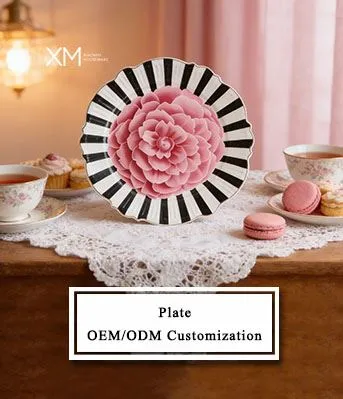




Are there any collectible porcelain plates? This is a question that often piques the interest of both collectors and enthusiasts alike. As a supplier of porcelain plates, I have witnessed firsthand the allure and value that these exquisite pieces can hold. In this blog, I will delve into the world of collectible porcelain plates, exploring their history, characteristics, and the factors that make them highly sought after.
The History of Porcelain Plates
Porcelain has a rich and storied history that dates back thousands of years. The art of porcelain making originated in China during the Tang Dynasty (618 - 907 AD) and quickly spread to other parts of the world. Chinese porcelain was highly prized for its delicate beauty, durability, and intricate designs. It was often used for both practical and decorative purposes, and porcelain plates were no exception.
During the Ming Dynasty (1368 - 1644 AD), Chinese porcelain reached new heights of excellence. The Ming porcelain plates were known for their vibrant colors, detailed patterns, and high - quality craftsmanship. These plates were exported to Europe, where they became a symbol of luxury and refinement. European potters were inspired by Chinese porcelain and began to develop their own styles and techniques.
In Europe, the 18th and 19th centuries were the golden age of porcelain plate production. Factories such as Meissen in Germany, Sèvres in France, and Wedgwood in England produced some of the most beautiful and collectible porcelain plates in history. These plates often featured elaborate hand - painted designs, gilding, and fine details. They were used in formal dining settings and were also highly valued as works of art.
Characteristics of Collectible Porcelain Plates
Age and Rarity
One of the most important factors in determining the collectibility of a porcelain plate is its age and rarity. Older plates, especially those from the early days of porcelain production, are generally more valuable. Plates that were produced in limited quantities or are part of a discontinued series are also highly sought after. For example, a plate from a rare pattern or a special commemorative edition can command a high price in the collector's market.
Quality of Craftsmanship
The quality of craftsmanship is another crucial aspect. Collectible porcelain plates are often characterized by their fine details, smooth surfaces, and precise painting. The thickness of the porcelain, the quality of the glaze, and the accuracy of the design all contribute to the overall value. Hand - painted plates are usually more valuable than those that are mass - produced using transfer printing techniques. A plate with a well - executed hand - painted scene or a detailed floral pattern will be more appealing to collectors.
Design and Aesthetics
The design and aesthetics of a porcelain plate play a significant role in its collectibility. Plates with unique, beautiful, or historically significant designs are more likely to be valued by collectors. Some popular design themes include landscapes, portraits, floral motifs, and mythological scenes. Plates that reflect the style and culture of a particular era are also highly collectible. For instance, a plate with a Rococo - style design from the 18th century can be a valuable addition to a collection.
Condition
The condition of a porcelain plate is essential. Collectors prefer plates that are in excellent condition, without cracks, chips, or significant wear. Even a small flaw can significantly reduce the value of a plate. However, in some cases, plates with minor imperfections may still be collectible if they have other outstanding features, such as a rare design or historical significance.
Types of Collectible Porcelain Plates
Decorative Plates
Decorative porcelain plates are designed primarily for display purposes. They often feature elaborate designs, such as hand - painted landscapes, portraits, or floral arrangements. These plates can be used to adorn walls or display cabinets, adding a touch of elegance and beauty to any space. Many decorative plates are produced as limited editions, which makes them even more collectible.
Dinner Plates
Dinner plates are not only functional but can also be collectible. Porcelain Dinner Plate and Porcelain Dinner Plate can come in a variety of styles and designs. Some dinner plates are part of a larger dinnerware set, while others are standalone pieces. Plates with unique patterns, historical motifs, or high - quality craftsmanship are highly sought after by collectors.
Soup Plates
Soup plates are another type of porcelain plate that can be collectible. Porcelain Soup Plate often have a different shape and design compared to dinner plates. They may feature deeper bowls and more intricate edges. Soup plates with beautiful hand - painted scenes or traditional patterns can be valuable additions to a collection.
Our Porcelain Plate Offerings
As a porcelain plate supplier, we offer a wide range of collectible porcelain plates. Our plates are sourced from the finest manufacturers and artisans, ensuring the highest quality and craftsmanship. We have a diverse selection of designs, including traditional and contemporary styles, to meet the needs and preferences of different collectors.
Our decorative plates are hand - painted by skilled artists, with each plate being a unique work of art. They are available in various sizes and themes, from romantic landscapes to vibrant floral patterns. Our dinner and soup plates are not only functional but also aesthetically pleasing, making them suitable for both everyday use and special occasions.
Whether you are a seasoned collector or just starting your collection, we have the perfect porcelain plate for you. Our team of experts is always available to provide advice and guidance on choosing the right plates for your collection.


Why Collect Porcelain Plates?
Collecting porcelain plates can be a rewarding hobby for several reasons. Firstly, it allows you to appreciate the beauty and artistry of porcelain. Each plate is a testament to the skill and creativity of the artisans who made it. Secondly, porcelain plates can be a good investment. Over time, the value of collectible porcelain plates can increase, especially if they are rare or in high demand. Thirdly, collecting porcelain plates can be a way to connect with history and culture. Each plate tells a story about the era in which it was produced and the society that used it.
How to Start Your Porcelain Plate Collection
If you are interested in starting a porcelain plate collection, here are some tips to get you started:
- Do Your Research: Learn about the different types of porcelain plates, their history, and the factors that affect their value. Read books, visit museums, and browse online resources to gain a better understanding of the market.
- Set a Budget: Determine how much you are willing to spend on your collection. You can start small and gradually add more plates as your budget allows.
- Attend Auctions and Antiques Fairs: These events are great places to find unique and collectible porcelain plates. You can also meet other collectors and learn from their experiences.
- Buy from Reputable Sellers: Make sure to buy your porcelain plates from reliable sources, such as established antique dealers, reputable online sellers, or directly from manufacturers. This will ensure that you are getting genuine and high - quality plates.
Contact Us for Procurement and Negotiation
If you are interested in purchasing our collectible porcelain plates or have any questions about our products, we encourage you to contact us. Whether you are a collector looking to expand your collection or a business interested in bulk procurement, we are ready to discuss your needs and offer the best solutions. Our team is committed to providing excellent customer service and ensuring that you have a satisfying purchasing experience.
References
- "The History of Porcelain" by John Twitchett
- "Porcelain Collecting: A Guide for Beginners" by Mary Smith
- "European Porcelain: From the 18th to the 20th Century" by David Thompson