


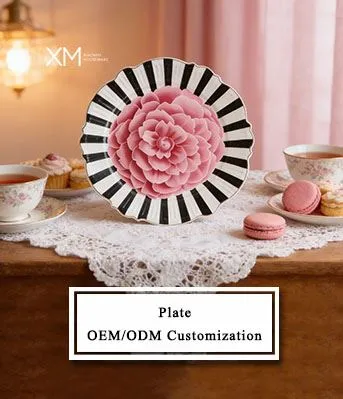




Are porcelain soup plates environmentally friendly?
As a supplier of porcelain soup plates, I often find myself in conversations about the environmental impact of our products. In today's world, where sustainability is at the forefront of consumer concerns, it's crucial to understand whether porcelain soup plates are an eco - friendly choice.
The Manufacturing Process of Porcelain Soup Plates
Porcelain is made from a combination of clay, feldspar, and quartz. These raw materials are abundant in nature, which is a positive aspect from an environmental perspective. The extraction of these materials can be managed in a relatively sustainable way if proper mining practices are followed. For example, some mines are now implementing reclamation plans to restore the land after extraction, minimizing the long - term environmental damage.
However, the manufacturing process of porcelain soup plates is energy - intensive. High - temperature firing in kilns is required to transform the raw materials into the hard, durable porcelain we know. This firing process typically uses fossil fuels such as natural gas, which releases greenhouse gases into the atmosphere. The energy consumption during production can be a significant drawback in terms of environmental friendliness.
But it's important to note that advancements in technology are being made. Some porcelain manufacturers are investing in more energy - efficient kilns and exploring alternative energy sources like solar or biomass. These initiatives aim to reduce the carbon footprint associated with the production of porcelain soup plates.
Durability and Longevity
One of the major advantages of porcelain soup plates is their durability. Unlike disposable plates made of paper or plastic, porcelain plates can last for decades if properly cared for. This long lifespan means that fewer plates need to be produced over time, reducing the overall demand for raw materials and energy.
When a porcelain soup plate is broken, it can sometimes be repaired. For instance, skilled artisans can use special adhesives and techniques to mend cracked plates, extending their usability. In contrast, disposable plates are used once and then thrown away, contributing to the ever - growing problem of waste in landfills.
Recycling and Biodegradability
Porcelain is not biodegradable. Once a porcelain soup plate reaches the end of its life, it cannot be broken down by natural processes. However, it can be recycled in some cases. Some recycling facilities are equipped to handle porcelain, where it can be crushed and used as an aggregate in construction materials or other industrial applications.
The key here is to ensure that the recycling infrastructure is in place. Currently, not all areas have the facilities to recycle porcelain effectively. As a supplier, I am constantly advocating for more widespread recycling options for porcelain products to improve their environmental profile.
Comparison with Other Plate Materials
Let's compare porcelain soup plates with other common plate materials. Plastic plates are extremely popular due to their low cost and convenience. However, they are a major environmental hazard. Plastic takes hundreds of years to decompose, and much of it ends up in the ocean, harming marine life. Moreover, the production of plastic involves the use of fossil fuels and chemicals that can be harmful to the environment.
Paper plates, on the other hand, are biodegradable. But their production often requires large amounts of water and energy, and the bleaching process used to make them white can release harmful chemicals into the environment.
In comparison, porcelain soup plates, despite their energy - intensive production, have a much lower long - term environmental impact when considering their durability and potential for recycling.
Our Company's Efforts in Sustainability
As a porcelain soup plate supplier, we are committed to reducing the environmental impact of our products. We are constantly researching and implementing new technologies to make our manufacturing process more energy - efficient. For example, we are gradually transitioning to using more renewable energy sources in our kilns.
We also encourage our customers to recycle their porcelain plates at the end of their life. We provide information on local recycling facilities and offer incentives for customers to return broken plates to us, which we then send to recycling centers.
Product Offerings
We offer a wide range of porcelain soup plates, including White Porcelain Plate and Porcelain Round Soup Plate. These plates are not only beautiful and functional but also made with an eye towards environmental sustainability. Our Porcelain Soup Plate collection is designed to meet the diverse needs of our customers, from home use to commercial settings.


Conclusion and Call to Action
In conclusion, while porcelain soup plates do have some environmental challenges associated with their production, their durability, potential for recycling, and lower long - term environmental impact compared to other plate materials make them a relatively eco - friendly choice.
If you are interested in purchasing high - quality, environmentally - conscious porcelain soup plates, we invite you to get in touch with us. We would be more than happy to discuss your specific requirements and provide you with the best products and solutions. Whether you are a restaurant owner looking to upgrade your tableware or a homeowner in search of elegant and sustainable dinnerware, we have the right porcelain soup plates for you. Let's work together to make a more sustainable choice for our planet.
References
- "The Environmental Impact of Ceramic Production." Journal of Sustainable Manufacturing.
- "Recycling of Porcelain and Ceramic Materials." International Journal of Waste Management.
- "Comparative Life Cycle Assessment of Different Plate Materials." Environmental Science and Technology.